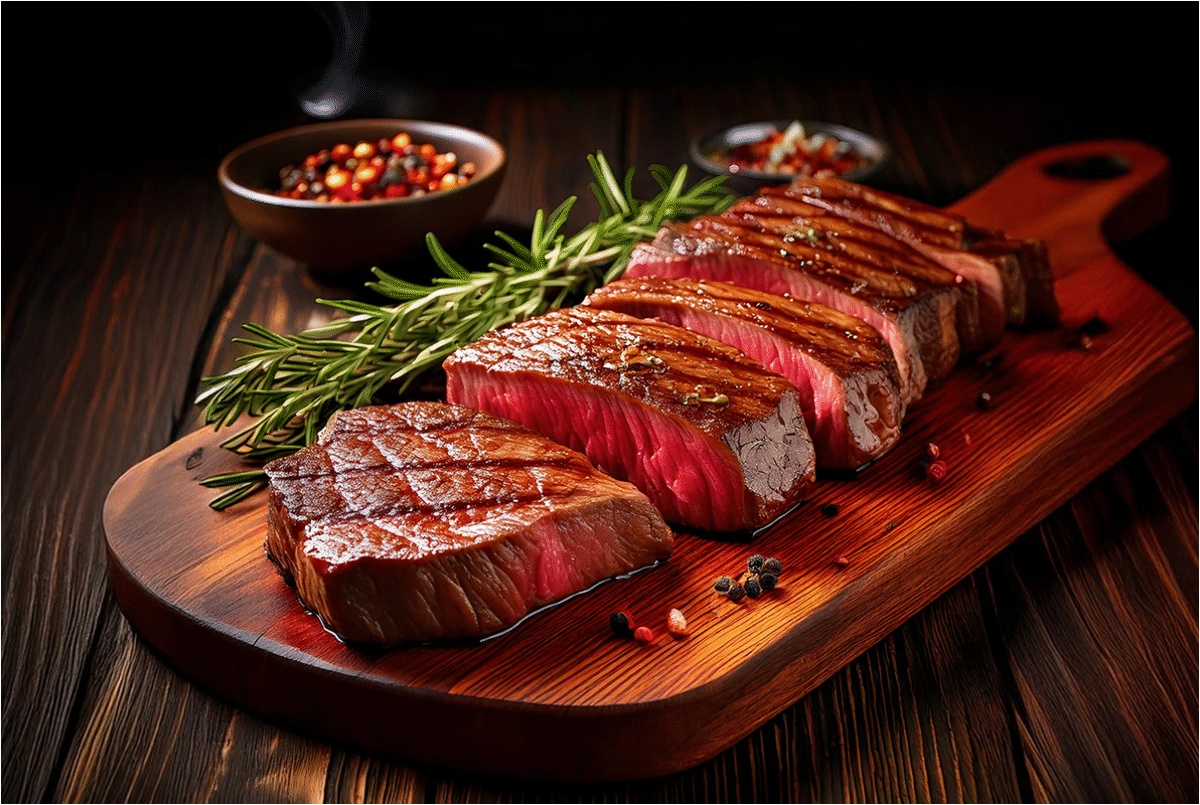
Think expensive cuts are the only way to get tender beef? Think again. Learn the surprising factors that affect meat tenderness and how to make any cut delicious.
Tender meat is the Holy Grail of beef eaters. Everyone wants to eat tender meat. Yet, only a few of the primals on a side of beef are actually tender.
Did you know that only 20 percent of beef carcases are premium cuts?
Or that 80 percent of a beef carcase is meat used for burgers, stewing, casserole and ground.
The quest for tender beef has become an obsession for some, so let’s take a look at how to get tender beef. Meat tenderness plays a major role in determining the eating qualities of meat (mouthfeel, palatability, flavor, juiciness, texture and appearance) and is deemed to be one of the most important properties of meat. Consumers would definitely consider purchasing meat that is guaranteed to be tender. Unfortunately, it is impossible to guarantee tenderness.
Meat is a natural product, and as you will see later in this post, many variables must be absolutely right for the meat to be tender, have a good flavor, and have a good mouthfeel. Tenderness is one of the biggest factors that influence the overall palatability and acceptance of meat apart from flavor and juiciness
Mechanical, Chemical, Natural tenderization methods
In order to obtain tender meat, there are many factors that have to be right: the animal’s age, species, breed, sex, pasture, feed, calcium status, stress before and at the time of killing, and how the meat is treated after slaughter. That’s a lot to get right and the best farmers and butchers manage it really well. But, a breakdown in any stage of the chain means the beef is going to be sub-optimum.
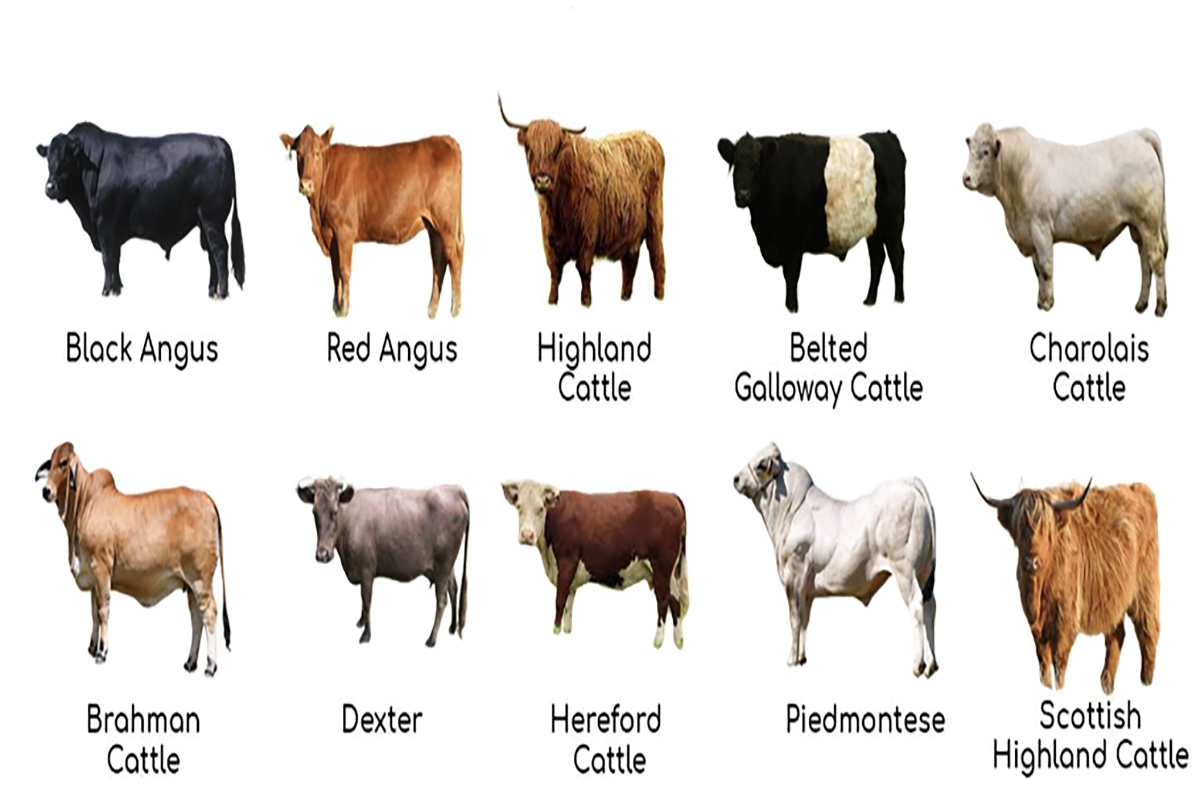
The best beef comes from animals that are bred as beef animals, are well-fed and watered, have diets that help them put on weight, and live a natural life. The time just before slaughter can sometimes be very stressful if not managed properly, and this can have a detrimental effect on beef tenderness.
When the animal is stressed, the sugars in its blood are used up. After slaughter, the blood turns to acid and this breaks down the fibres in the muscles, tenderizing the meat. If the sugars are absent because the animal was stressed, there will be no acid and no tenderization.
Dairy cattle do not make very good meat and won’t be tender. However, in Galicia, Spain, they have been taking dairy cows whose milking life is finished after maybe 10 years, fattening them up for 6 months, and then slaughtering them for beef with positive results.
OK, so you have excellent beef, slaughtered without stress, what’s next? Well, if the animal is chilled too quickly, you get what’s called “cold shortening”. This causes the muscles to tighten and blocks tenderization. The carcass should be cooled slowly to ensure a good result. Then the carcase is split into two sides, then 4 quarters, and moved into a chiller. The beef should be held for a minimum of 14 days at 1 to 2 degrees Celsius.
Natural Tenderization techniques
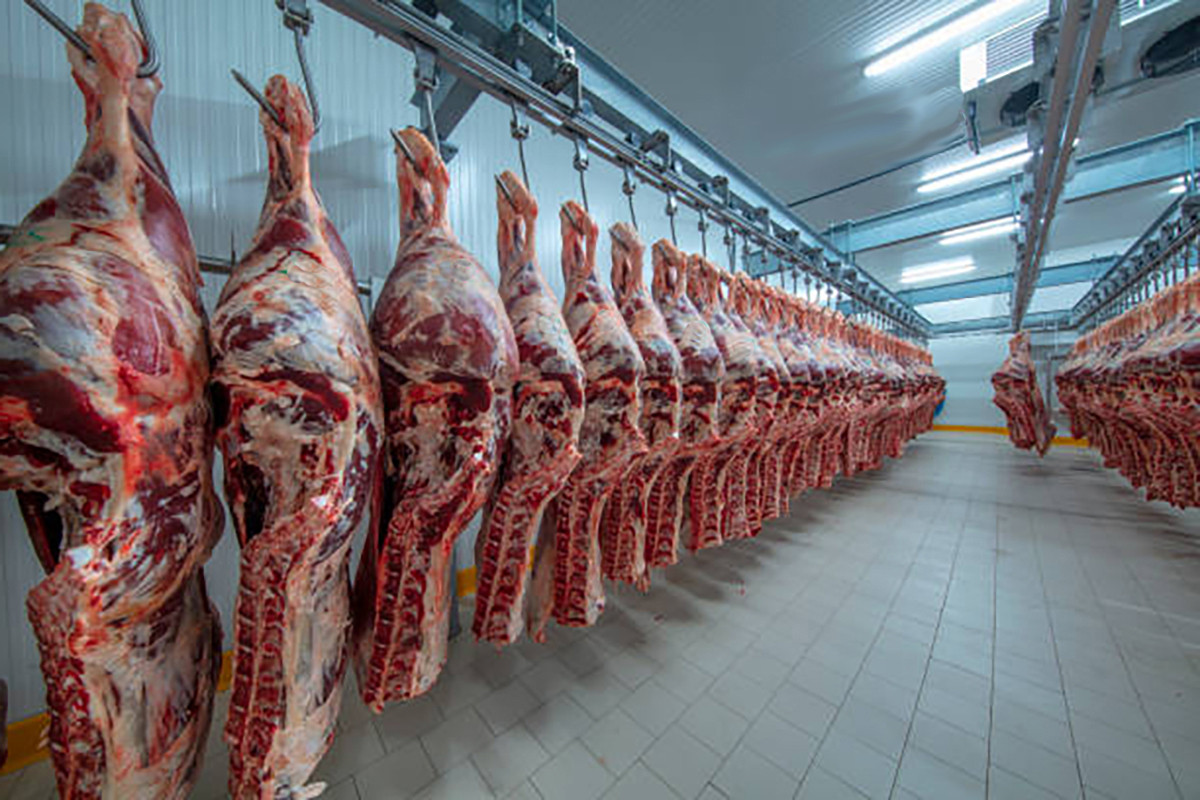
During the hanging phase, blood sugars become acidic and begin to break down muscle fibers.
Hanging beef. This is the best tenderization method of them all. Natural ageing, no chemicals, just allowing a controlled decomposition. You can hang beef for longer than 14 days, 21 days is better, but the carcasses have to be extremely clean or they will start to spoil. If you have the right type of coldroom, you can dry age your beef for several weeks.
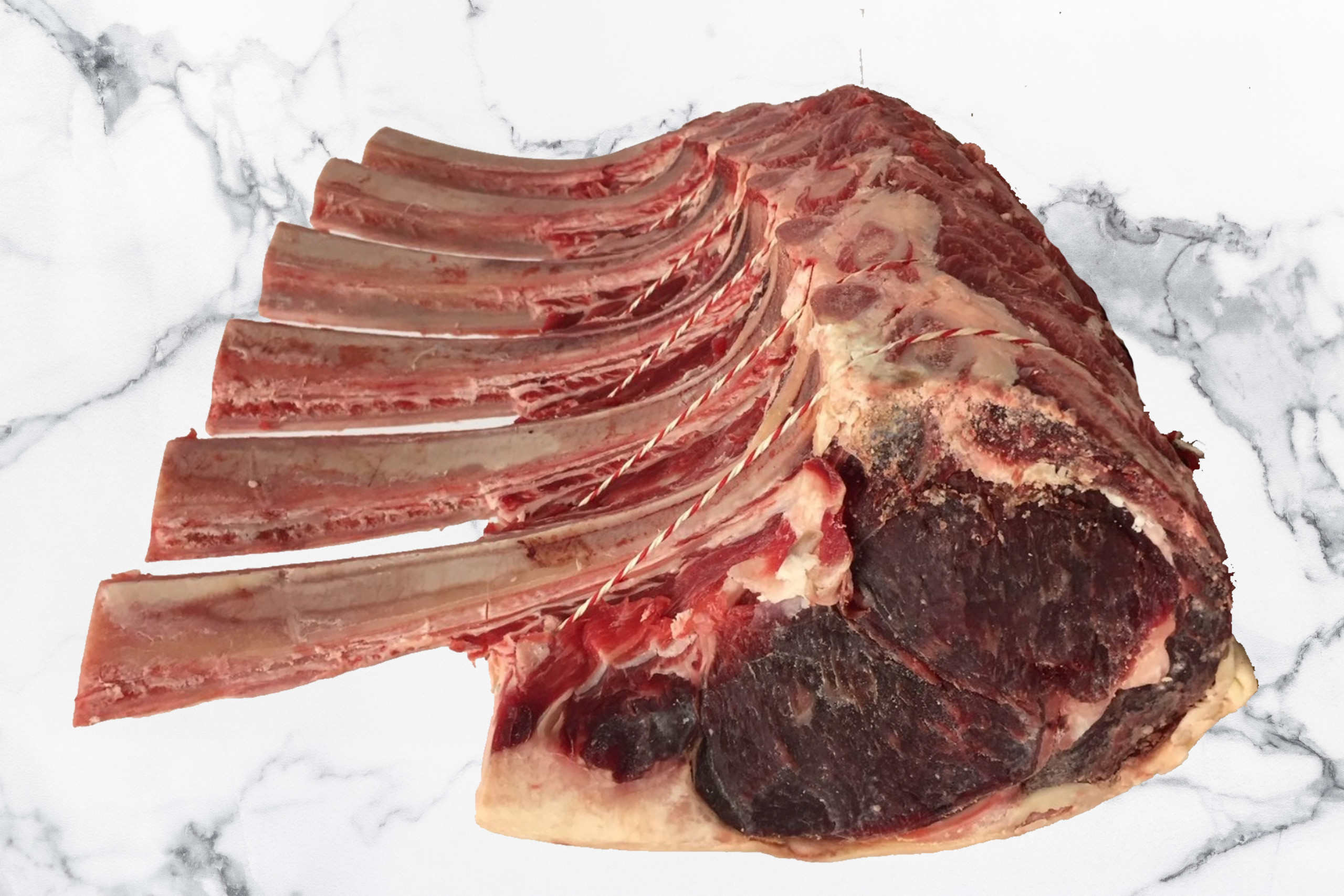
Dry ageing, as well as tenderising, creates an extra layer of flavor through evaporation. To do this well, you need to have the right temperature, the right airflow and the right relative humidity. You will need to check the beef daily to make sure the ageing is proceeding properly. If you get any of those steps wrong, the beef will become sour and spoil. There is no point in dry-ageing any meats other than the premium cuts. The extra cost in time and labor to dry age will make the cheaper cuts too expensive. Dry ageing beef has its costs. As you can see from the picture above, the outer cut surface of the primal will blacken and dry out. This black, dry surface will have to be discarded. Between the evaporation of moisture and trimming off any black, dry surfaces, beef dry-aged for 30 days can lose over 15% of its starting weight. If you dry-age beef for 60 days, you will lose up to 35% of the starting weight. That’s why dry-aged beef is expensive. However, some customers love the taste and are willing to pay the premium price.
Cutting across the grain for tenderness

No matter how good your steak is, or how long it has been matured, if you cut along, or with the grain, it will not be as tender as if you cut across the grain. You can see the grain direction in the picture above of a Flank Steak. Cutting across that grain gives you shorter packets of muscle fibres, thereby giving you more tender beef. Every butcher worthy of the name knows the grain direction in every muscle on every animal, but if you were butchering primals yourself, it would be wise to figure out the grain direction before you cut.
Mechanical Tenderization – Breaking Down Meat Fibers
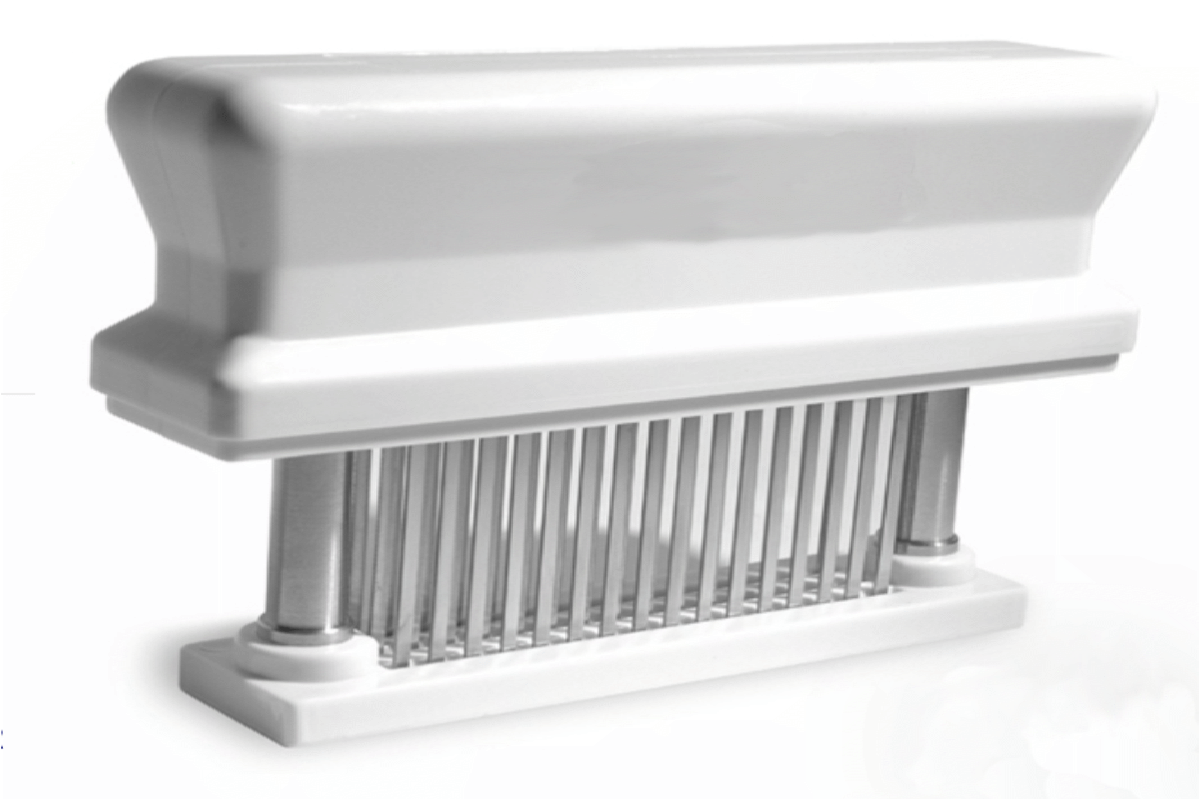
There are various blade tenderizers available on the market. The one above is called a Jaccard. It has 48 sharp blades and you mark your beef all over with this device to break down the tough fibres. There are electric versions with many more blades for use in meat factories and butcher shops. One word of warning. Unless the strictest hygiene standards and cleaning protocols are maintained, the blades can transfer germs from the outside surface of the meat to the inside. The Jaccard tenderizers are used in butchers shops all over the world, but I believe they chop up the fibres rather than tenderize the meat. They have been available for decades and are very popular.
They are used on beef sent to high-end restaurants from packing houses, so possibly a steak you get in a restaurant has been Jaccarded.
If you have tough meat, they will make a difference to the tenderness. Some say that a steak loses moisture having been Jaccarded, another school of thought says meat loses less moisture afterwards. I’ll have to do a control test on a couple of steaks to see which of those opinions is correct. but I guess a million Jaccard users can’t be wrong, or can they?
Many home users love the Jaccard because it helps marinade get further into the meat, rather than just on the surface. As with any action, you can overdo it. The steaks can be mushy if the tenderizer is overused. I judged many steak competitions where Jaccarded (or needled) steaks were disqualified. The rules were that natural tenderization was all that would be permitted. I think that was wise, making a level playing field for the competitors.
If you want to see if the steak you bought has been needled, stretch it slightly and the fine needle holes will become obvious. https://amzn.to/4cN8qES

You can also use a meat mallet. (picture above) This is a hammer with raised points on one face and a flat face opposite. You use it to bash meat to break up the fibers. Pretty cheap, and good for flattening pork chops or chicken breasts with the smooth side. Good meat hygiene again is essential. The meat mallet has its uses, but I’m afraid I’m not a fan. https://amzn.to/4305ul0
Chemical Tenderizers

There are numerous chemical tenderizers available to home cooks under different brand names. These products have their fans, people who use them all the time and see no issues. Then some say they alter the taste of the beef and are not happy with it. There is a fairly high amount of salt in them, so if you are applying a chemical tenderizer, don’t use salt.
Some users report that it makes meat mushy if left on too long, but does what it is supposed to do if applied half an hour before cooking, Sprinkle lightly seems to be the best advice. If you sprinkle chemicals on meat, you are going to change the composition and texture of it. There’s a trade-off in most tenderization methods.
The ingredients in some of these products are: Salt, Sugar, Corn Starch (Prevents Caking), and Bromelain (Tenderizer), or another: Salt, Dextrose, Bromelain (Tenderizer), and Calcium Silicate (Added to Make Free Flowing). Some powder tenderizers also contain seasonings, so I guess it’s up to you how far away from natural meat taste you want to go. I guess you pay your money and you take your chances, but I’m a bit of a purist about the meat I eat, so I probably won’t be a customer. https://amzn.to/447mcQB
Fruits as Tenderizers
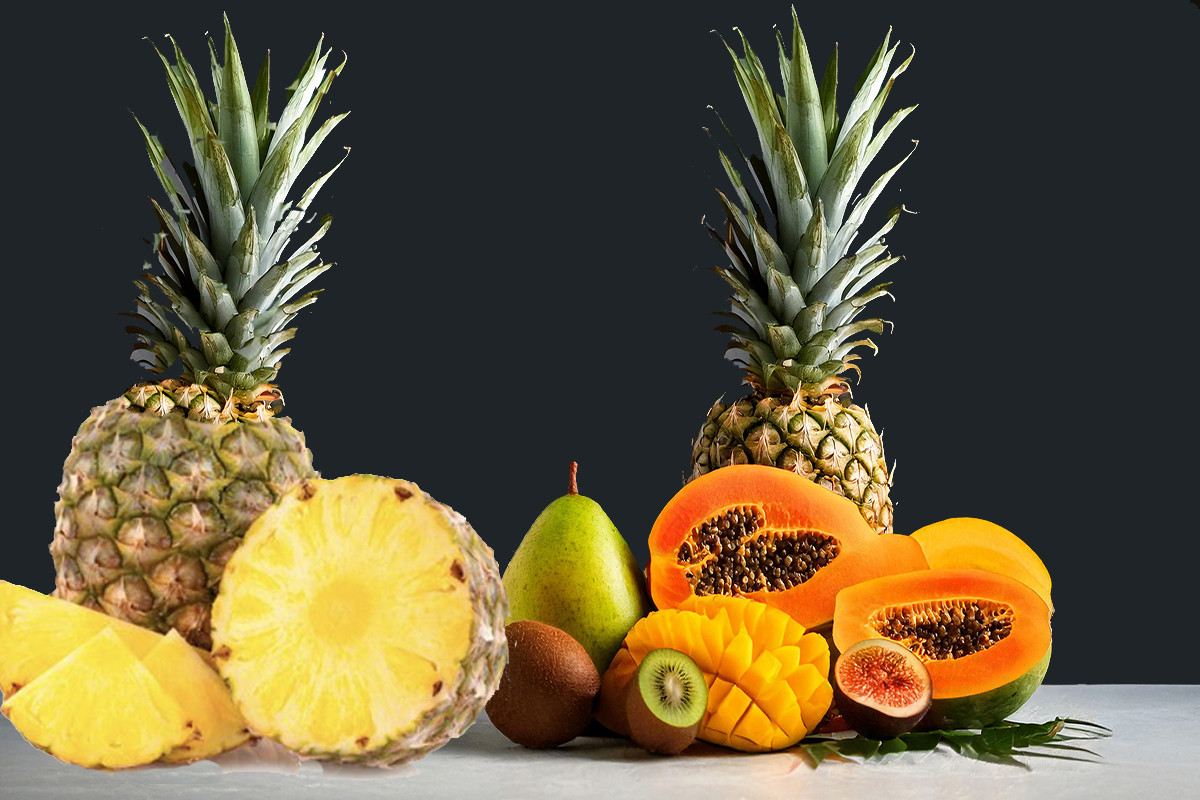
Several attempts have been made to make tough meat tender by the use of several proteolytic enzymes obtained from plants, bacteria and fungi. Enzymes which have been used for tenderizing meat include papain, a proteolytic enzyme from papaya fruit, Curicapapain, ficin, a protease derived from figs, bromelin, a proteolytic enzyme of pineapple, and bacterial and fungal enzymes such as protease 15,
rhozyme, fungal amylase, hydralase D, etc. These tenderizers can be used in liquid or powder form and at commercial level or in the home. As with chemical tenderizers, the main component of these fruits is bromelain. Others are Papain, Ficin, Actinidin, Zingibain, and Cucumin.
Fruits that contain these components, such as Pineapple, Papaya, Figs, Mango and Kiwifruit, can all be used as tenderizers. It’s best to use the fresh fruits. Canned pineapples, for example, are cooked and the active component is mainly lost because of the heat treatment. Also, consider that using fruit as a tenderizer can alter the natural flavor of the meat.
You should be careful not to leave the various fruits on the meat too long, particularly Pineapple. If you do, you could degrade the meat to an unpalatable mush. With Kiwifruit, rubbing the soft pulp and the skin on the meat’s surface and allowing it to work for half an hour or less won’t cause any degradation.
These fruits work best on thinner cuts, such as steak strips for stir-fries. Like other forms of tenderizing, you can’t make a silk purse from a pig’s ear, so if you are expecting fantastic tenderness, you will be disappointed. The meat will be less tough, that’s the best to hope for.
Tenderstretch method

It has been known for quite some time that while stretching muscles while hanging produces a tenderizing effect, shortening produces the opposite effect, that is, toughening of meat. Traditionally, beef sides or whole carcasses are hung using hooks, inserted behind the Achilles tendon during conditioning.
The weight of the carcass will put many muscles into tension, so stretching them as they pass into rigor. This stretching helps to increase sarcomere length, and this produces more tender meat.
But a new method of hanging beef sides from aitch bone (with the help of a hook inserted into the obturator foramen or “pope’s eye”) has been shown to prevent the muscle of hind limbs from shortening and subsequent toughening. In this posture, the muscles of the hind limbs will assume a relaxed position. The process is called pelvic suspension or hip free suspension.
The hot sides or quarters need to be suspended by the aitch bone within 90 minutes of slaughter. After pelvic hanging, the shape of the carcass becomes unconventional and the carcass takes more space in the chiller. To bring the carcass to near-normal shape, it can be hung from the Achilles tendon in a chiller after 24 hours of the aitch bone hanging.
The improvement in the tenderness of rump, thick flank, strip loin and scotch fillet is said to be equivalent to 3 weeks of ageing at 20°C.
Tendercut Process
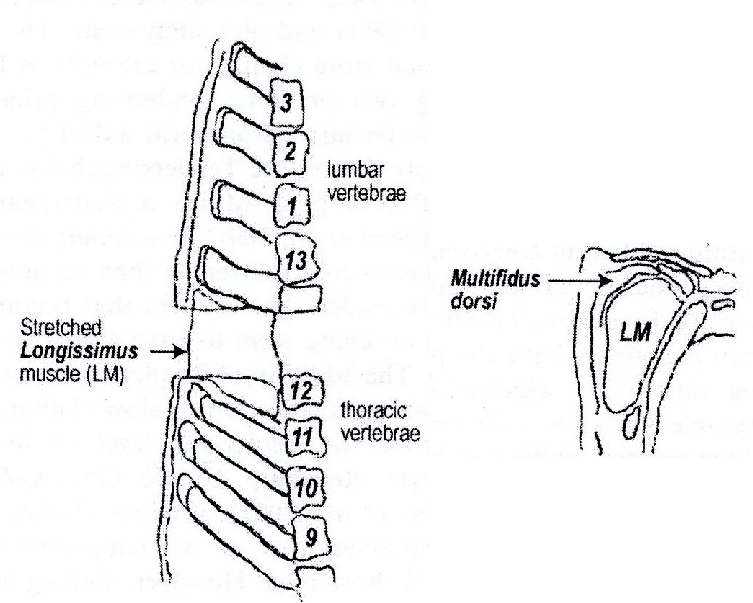
In this process, tension on individual muscles in a suspended carcass is reduced by selectively severing the bones and ligaments. The Tender Cut process is a post-mortem technique used to enhance the tenderness of meat. This method involves severing specific ligaments and bones in a carcass that is hanging, so reducing the tension on individual muscles. By doing this, the muscles remain relaxed during the critical early post-mortem period, which is essential for producing tender meat.
The main idea of the Tender Cut process is to minimize muscle contraction. When an animal is slaughtered, the muscles can contract significantly due to rigor mortis, leading to tougher meat. By severing bones and ligaments, the Tender Cut process helps in keeping the muscles in a more relaxed state. This is typically done within 45 minutes of slaughter, ensuring that the muscles do not have the chance to contract excessively.
The carcasses are suspended normally from the Achilles tendon and thus it is easy to implement on commercial slaughterlines. When the process is carried out within 45 minutes of slaughter, a significant improvement in tenderness has been noticed both in cattle and pig carcass meats.
Electrical Stimulation
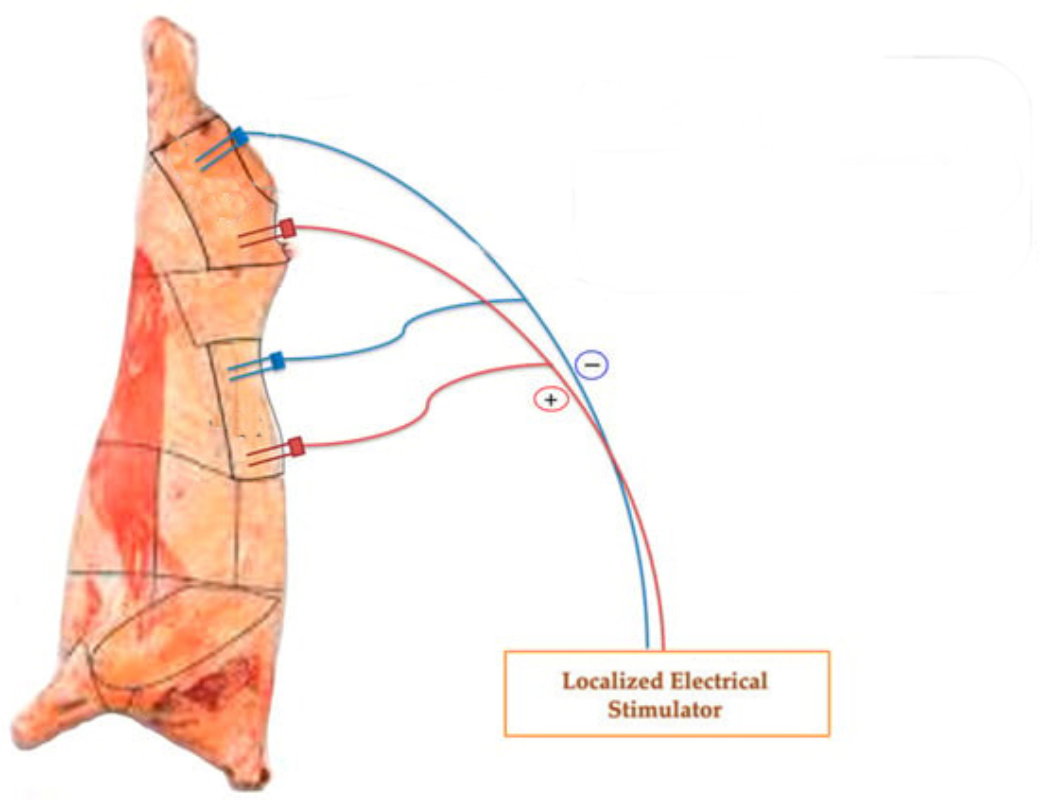
Electrical stimulation was developed to accelerate post-mortem glycolysis, so that when muscle entered rigor, excessive muscle shortening and toughness (cold shortening) was avoided. Electrical stimulation was developed to accelerate post-mortem glycolysis, so that when muscle entered rigor, excessive muscle shortening and toughness (cold shortening) was avoided. Electrical stimulation involves passing an electric current through a carcass, which causes the muscles to contract or twitch. These muscle contractions burn up the remaining glycogen energy left in the muscle more quickly, creating lactic acid and dropping the pH more rapidly. ES is the application of sufficient current into the carcass during the slaughter process. Here, pulses of electricity are passed through the carcass immediately after slaughter and the current causing the muscles to contract and thereby use up glycogen, ATP and creatine phosphate. It is done before rigor or in-pre-rigor carcass. The electrical stimulation of pre-rigor muscle causes the carcass to undergo a rapid series of muscle contractions and relaxations. The rapid series of contractions and relaxations of muscle accelerates the rigor process.
Even with rapid carcase chilling, pH 6 can be reached before the temperature reaches the range where there is a danger of cold shortening. Electrically stimulated muscles will reach a pH of 6 at a higher temperature than unstimulated carcasses. https://hves.eu/en/video-en/
Slow Cooking
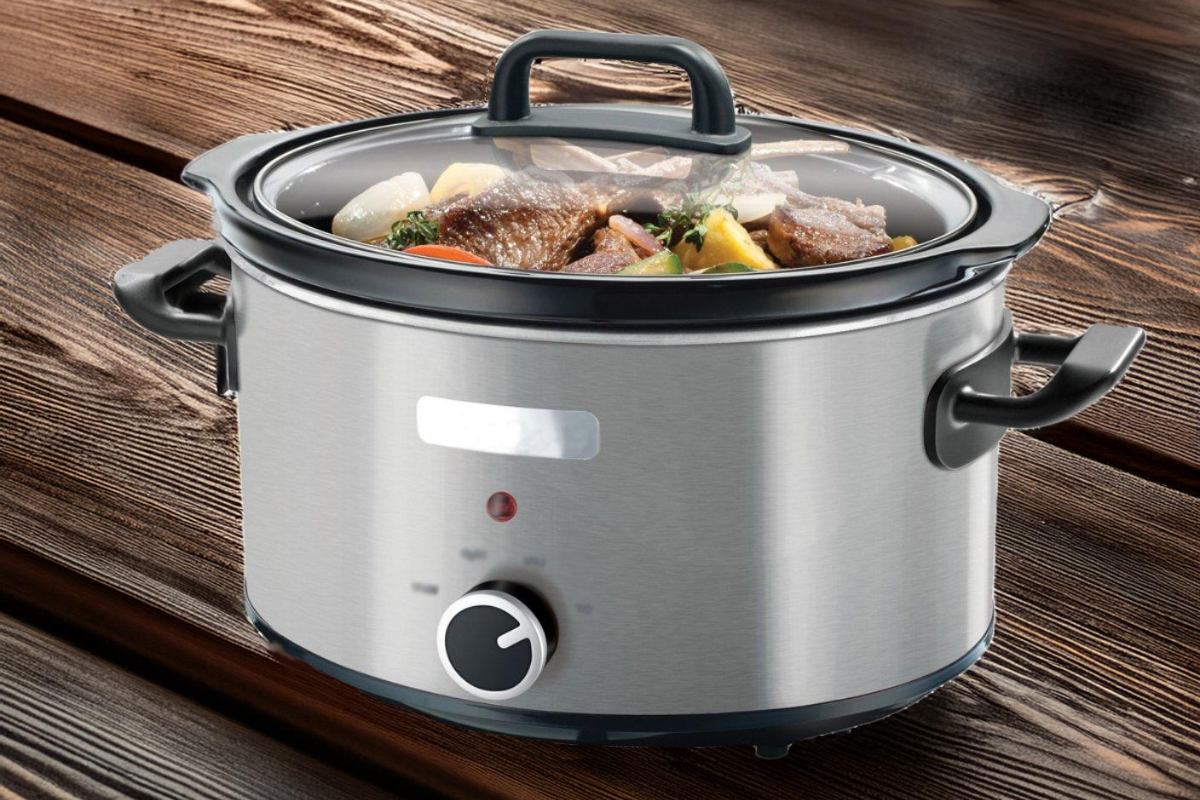
Now this is a good, natural method to tenderise meat. Long, slow cooking in a liquid will break down the collagen in any piece of meat. Meat cooked in this way is not going to taste like steak, but it has a great flavor of its own. You are getting all the juices and flavors of the meat because the liquid is the cooking medium. And the vegetables you use in a pot roast, a casserole, a stew, a curry or a tagine add another layer of flavor. Shin beef contains a large amount of connective tissue, because it’s a working muscle, and fillet steak has very little connective tissue because it is not a working muscle. The fillet runs along the inside of the backbone and supports it, but it barely moves. Now I have to say it, but fillet steak lacks flavor, which is why, in fine dining restaurants, it usually comes with a flavorful sauce. Shin beef is full of flavor because of the connective tissue. The difference is that fillet can be cooked in minutes, and shin takes 3 to 4 hours.
Brisket, whether it’s in a pot roast or smoked in a barbecue, will be very tender, but it takes a long time. Something I’ve been saying all my working life is “every piece of meat, no matter what part of the animal it comes from, if cooked appropriately, will make a magnificent meal.”
Prolonged cooking (e.g., braising) has been used to make tough cuts of meat more palatable since ancient times. Indeed, prolonged cooking can more than double the tenderness of the meat by dissolving all the collagen into gelatin and reducing inter-fiber adhesion to essentially nothing (Davey et al., 1976).
During the Covid lockdown, many people reconnected with slow cooking because they were working from home. They then realised the value of cheaper cuts of meat. Let’s be honest, eating fillet steak every day would become very boring. https://amzn.to/3RxWkpx
Velveting
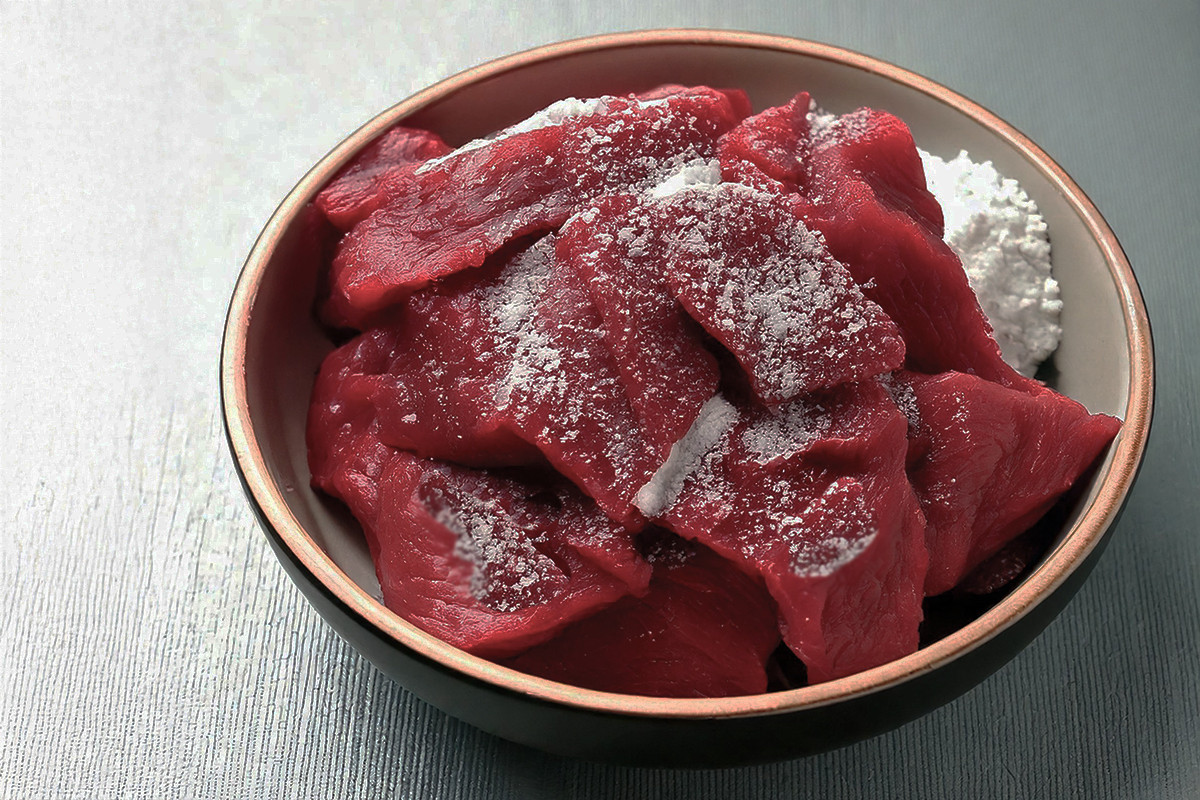
Velveting is a technique used in Asian restaurants to tenderize thin slices of beef for stir-fries and curries. The beef is sliced thinly and Bicarbonate of Soda is added to it and mixed. The bicarbonate breaks down the fibres and retains the moisture of the meat, and it is easier to eat after the treatment. When velveting with baking soda, the meat proteins are denatured, resulting in a tenderness that you’ll love. This enhances raw meat’s ability to hold moisture, preventing it from drying out while it cooks. Use about a teaspoon to a pound of meat.
You can also coat meat with a Cornstarch slurry, a mixture of cornstarch and a liquid and mix it into a smooth paste. It’s best if just thick enough to stick to the meat.
You can use soy sauce for the flavor, but oil or water works just as well. Use about two tablespoons of cornstarch and one tablespoon of whatever liquid you are using for every pound of meat. The idea is to coat the meat with a thin layer of cornstarch slurry without creating a thick batter.
Don’t let it sit in the bicarb or the cornstarch for too long. If you do it will end up as a mush and the mouthfeel will be lost. 10 to 20 minutes should be enough to achieve the desired tenderness. Make sure to rinse all the powder off the meat, and pat dry with kitchen towel before cooking, or you will have a chalky, metallic taste from the meat.
Marinades
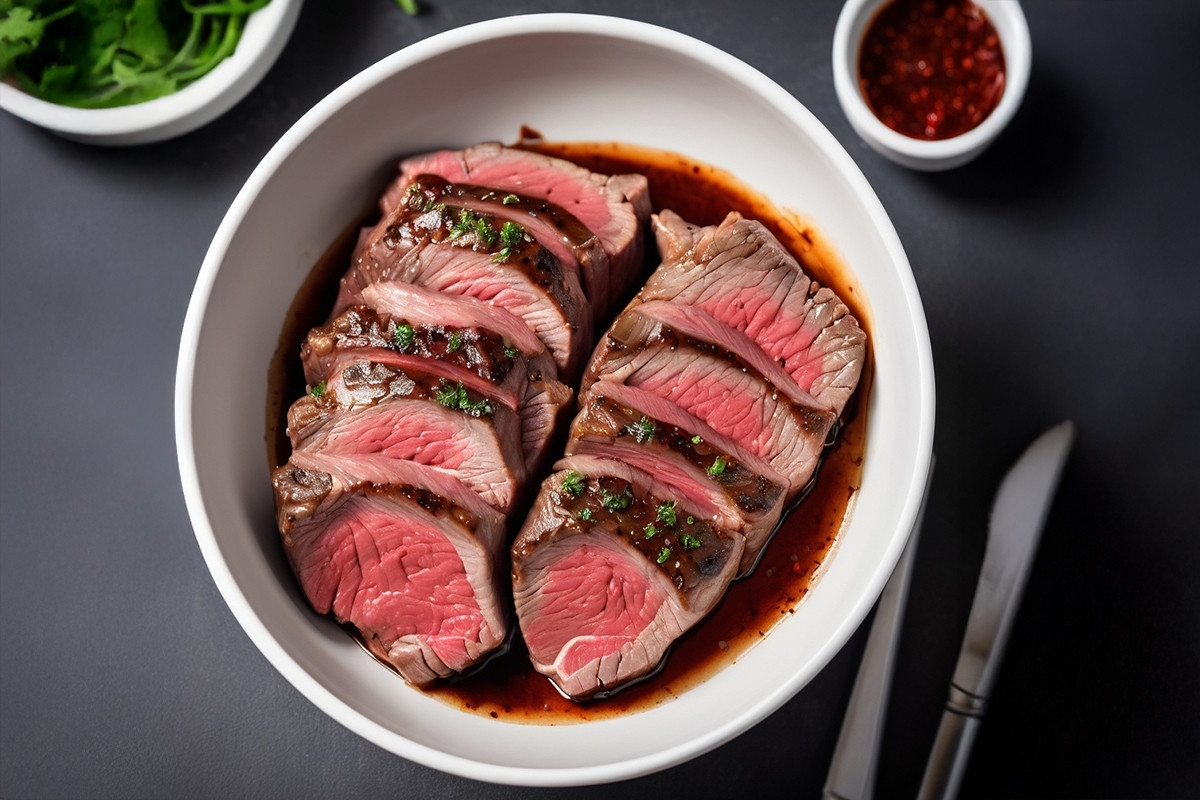
Marinading has the advantage of slightly tenderizing and adding flavor at the same time.
A marinade can be a mixture of fat, salt, sugar, acid, and spice. A good marinade gives flavor and improves the texture of steak by increasing moisture retention. It can also enhance browning. So you end up with a juicier, more flavorful piece of meat.
Marinades don’t really tenderize steak. The acid and salt in the marinade will denature the proteins, and that will give you a softer texture on the meat surface, but that’s not the same as tenderization.
Our favourite recipe ingredients are:
Ground Black Pepper, oil, crushed garlic and balsamic vinegar.
The acidity of the balsamic tenderises and the pepper and garlic flavour the cut. Try it using quantities according to your personal taste. Note: the meat will turn black after marinating. This is normal.
Alternatively, make a marinade using ginger, chilli flakes, lime juice, soy sauce and scallion, again using quantities to your taste. After you marinade the meat, discard the marinade, or if you want to use it as a meat sauce, be sure to boil it for 5 minutes before use. You don’t want to be sick after going to all that trouble.
Some cooks add Bicarbonate of Soda or Cornstarch to their marinades to make the meat more tender. If you do, be sure to wash it all off the meat to avoid chemical flavors.
So there you have it. All the ways to tenderize beef you can imagine. As I said earlier, for me, the best, most natural method is for beef to hang in a chiller for 21 days under a controlled temperature, allowing nature to tenderize the meat naturally. Everything else is not really tenderization, but an attempt to soften the meat without waiting for nature to do its work. Different strokes for different folks, but my advice is to find a real butcher shop, not a supermarket, and tell the butcher what you want from your meat, and they will get to know what you like and have it for you when you want it. You may pay a small amount more, but that’s a small price to pay for bespoke meat, tailored just for you.
Sous Vide
Last minute update.
A while ago, when I was starting this blog post, my son mentioned Sous Vide and I said no, that’s a cooking method, nothing to do with tenderization.
Well, here it is, I was wrong.
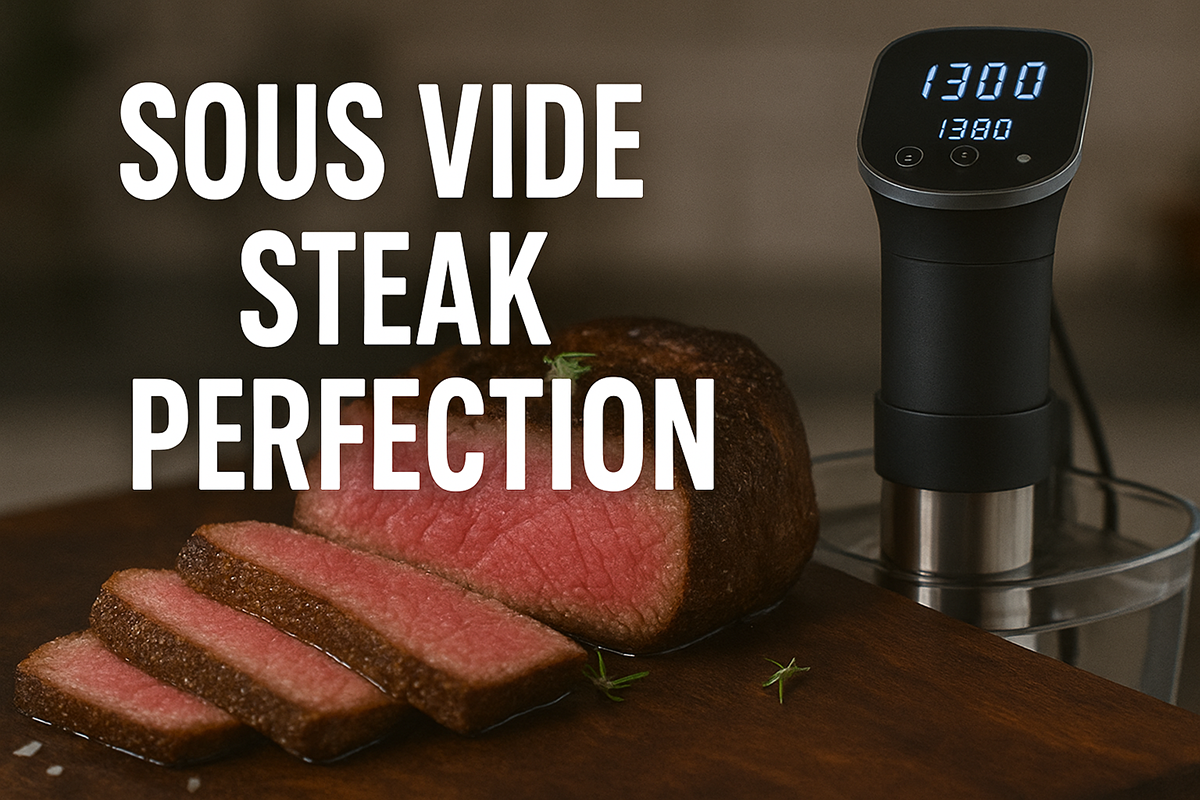
Because of the way Sous Vide works, the long cooking process at a precise temperature, actually does tenderize the tougher cuts of meat.
Sous Vide ( pronounced Soo Veed ) which means under vacuum in French, has actually been around a long time, but the equipment was bulky and very expensive, so it wasn’t really something you would try at home.
These days, you can buy Sous Vide cookers for quite a small price, so it is available for everyone.
The process is quite simple, follow the instructions, and you will have the best steak you ever cooked.
I will write a full post on Sous Vide for any enthusiasts.
I love it.
To buy from Amazon click: https://amzn.to/430Tm38
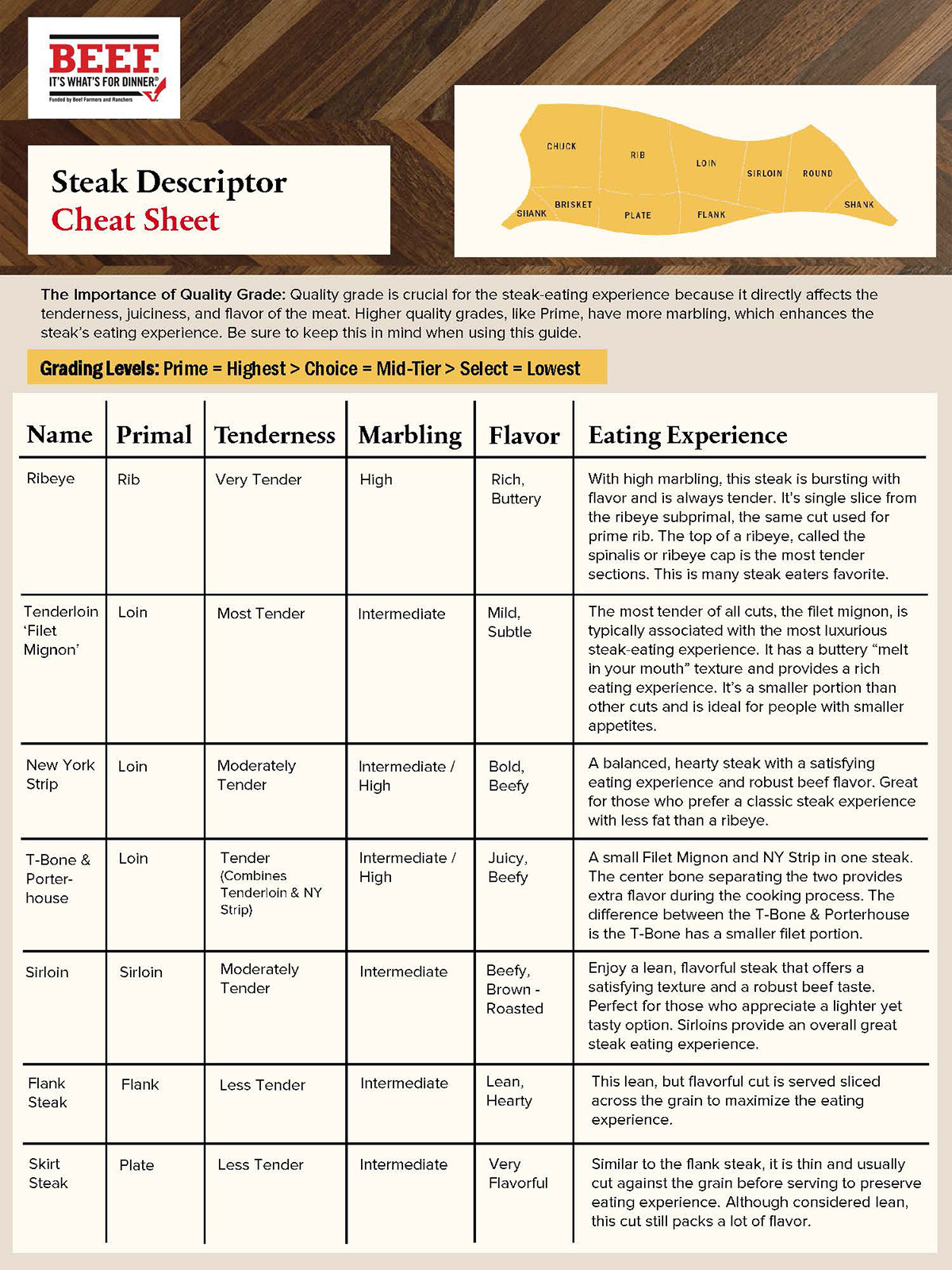
The Tenderest Cuts of Beef
Marked with a Blue X
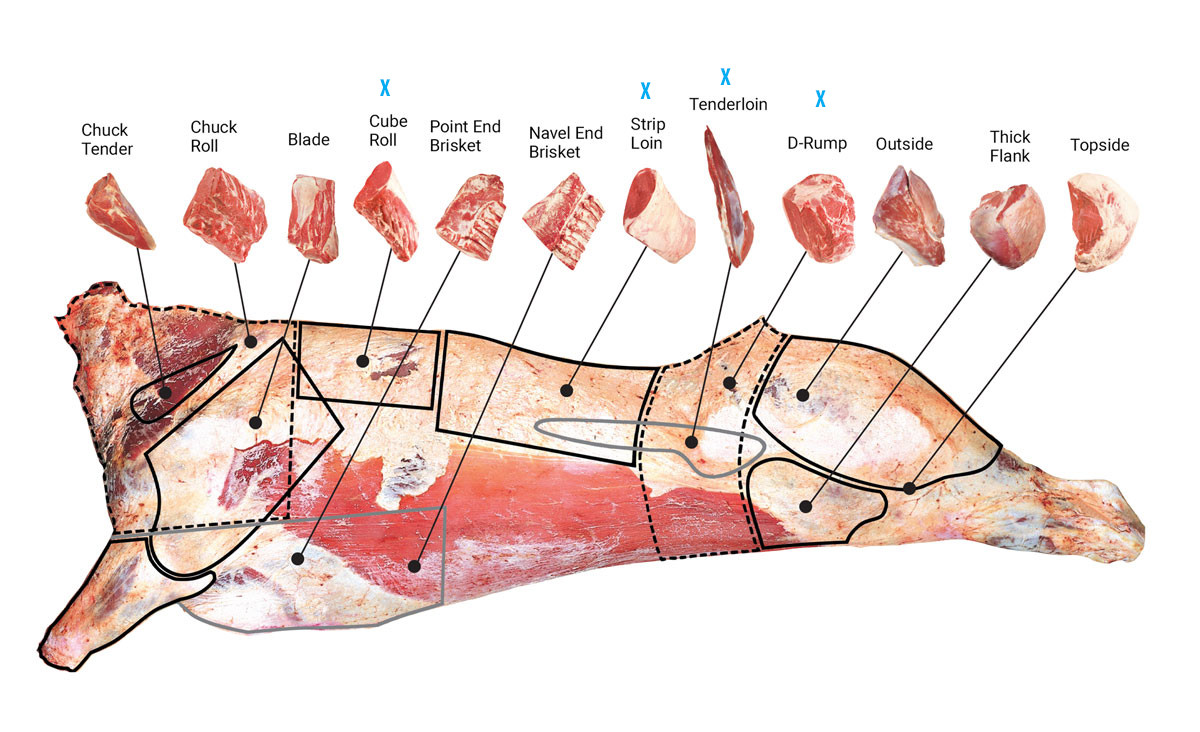
Beef Tenderness Chart
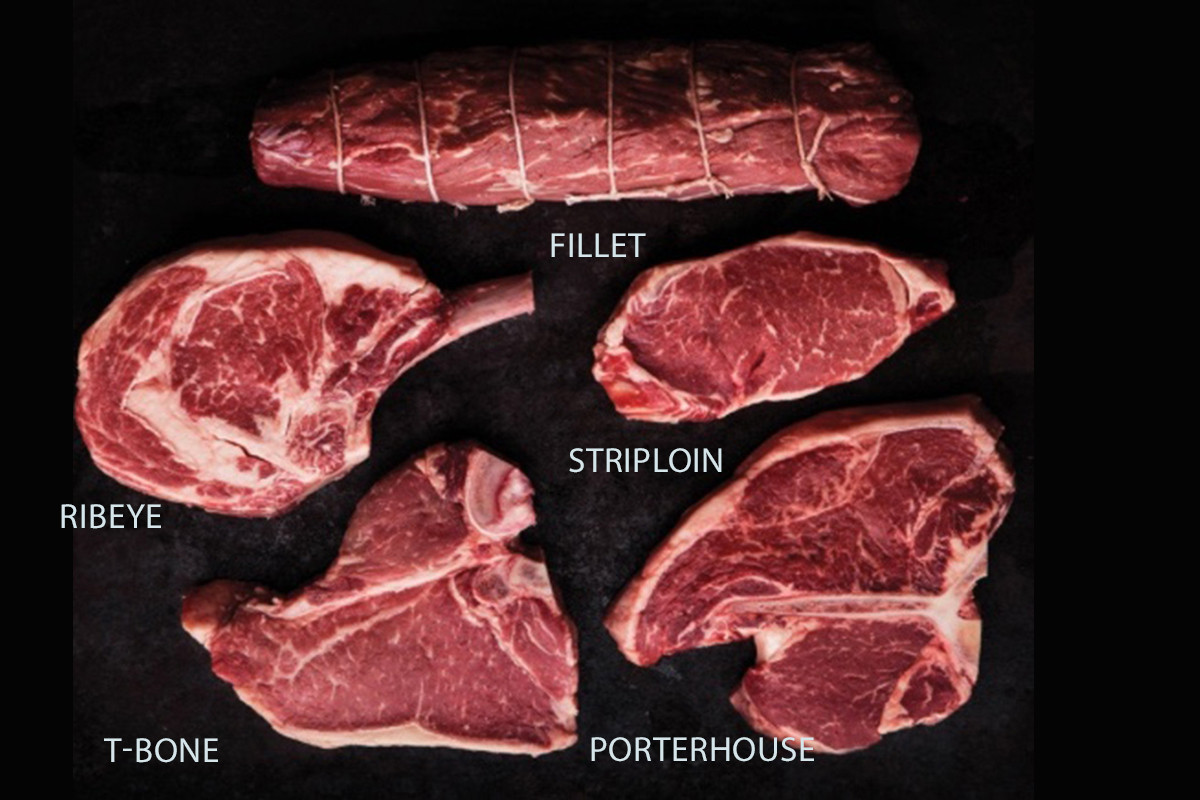
Check out https://www.youtube.com/@ButcherMagazine for how-to videos and practical meat-cutting tips.
See butchercraft.com for online butchery training
Leave a Reply