Where to buy meat
If you are a meat lover, where would you prefer to buy meat? From an skilled artisan with generations of meat knowledge behind them, or from a supermarket pre-pack shelf , where it is just another commodity? As a customer, you have choices, and the choices you make today affect where you will be able to buy your food in the future.
If supermarkets continue to sell meat cheaply as a loss leader, the traditional butcher will disappear and you will have no choice but to buy from a supermarket. When the local craft butcher is gone, it is too late to do anything about it. Support your local artisan butchers while they are still there. In the USA over the last 40 years, thousands of butcher shops have closed, unable to compete with large supermarket groups. And over the last 40 years there have been thousands of recalls of meat from large factories that was not of an acceptable standard. Look around you. In smaller towns, post offices, banks, newsagents and bakeries have closed. All in the name of “efficiencies” and “rationalisation”. Now they are gone it is too late to save them. But if you support your local artisan butcher, you will have a source of healthy, sustainable, humanely produced food you can trust.
What is the difference?
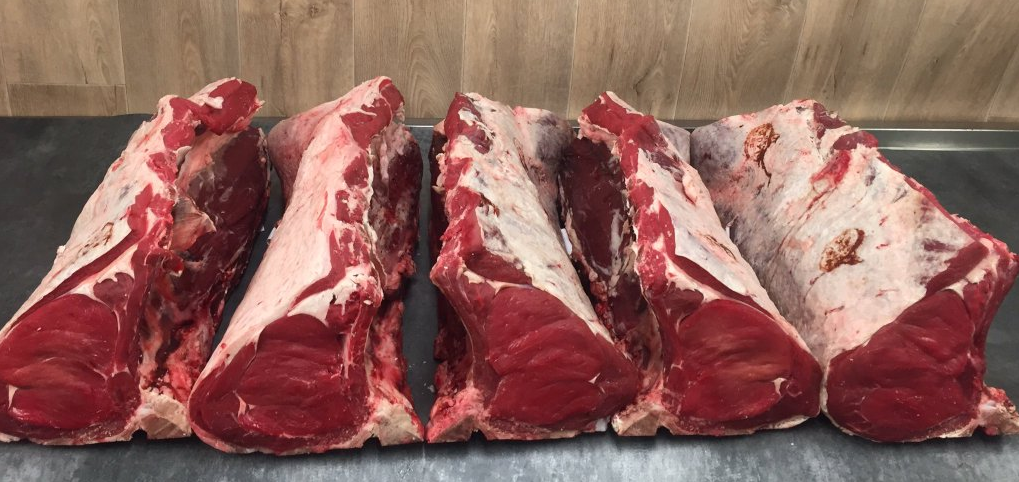
A butcher may slaughter animals, dress their flesh, sell their meat, or operate within any combination of these three tasks. They prepare standard cuts of meat and poultry for sale in retail or wholesale food establishments. A butcher may be employed in butcher shops, slaughter houses, or may be self-employed.
Butchery is an ancient trade, whose duties may date back to the domestication of livestock; its practitioners formed guilds in England as far back as 1272.
Here in Ireland, we have a family butchery business who have been butchers continuously since 1621. Since the 20th century, many countries and local jurisdictions offer trade certifications for butchers in order to ensure quality, safety, and health standards but not all butchers have formal certification or training. Trade qualification in English-speaking countries is often earned through an apprenticeship although some training organisations also certify their students. In Ireland, butchery training is under the care of a government sponsored initiative and run by msletb.ie in partnership with Associated Craft Butchers
Butchery has been an essential part of human food culture for centuries. Before industrialized meat processing, butchers selected, slaughtered, and prepared meat for their customers. They were highly skilled artisans who took pride in their work and passed on their knowledge from generation to generation.
However, as the meat industry has become more industrialized, traditional butchery has been in decline. Large-scale meat processing plants have replaced small, family-run butcher shops and abattoirs, and many consumers have become disconnected from the source of their meat. But despite these challenges, traditional butchery has been on the brink of a comeback in the coming years.
One of the main reasons for the resurgence of traditional butchery is the growing demand for locally sourced, sustainable, and high-quality meat. Consumers are increasingly concerned about the environmental impact of industrialized meat production and the welfare of animals raised for meat. They are seeking small-scale farmers and local butchers who can provide them with meat that is raised in a more sustainable and humane way. Butchers I know slaughter animals that have never travelled more than 10 miles in their lives. How’s that for local and traceable? Very small carbon footprint in that scenario.
Traditional butchers can offer a wider variety of cuts and meats and sizes than what is available in supermarkets. They can also provide personalized service and expert advice on how to prepare and cook different cuts of meat, which can be especially valuable for people who are not familiar with cooking meat. You won’t find that in a supermarket.
Artisan Food vs. Mass Produced
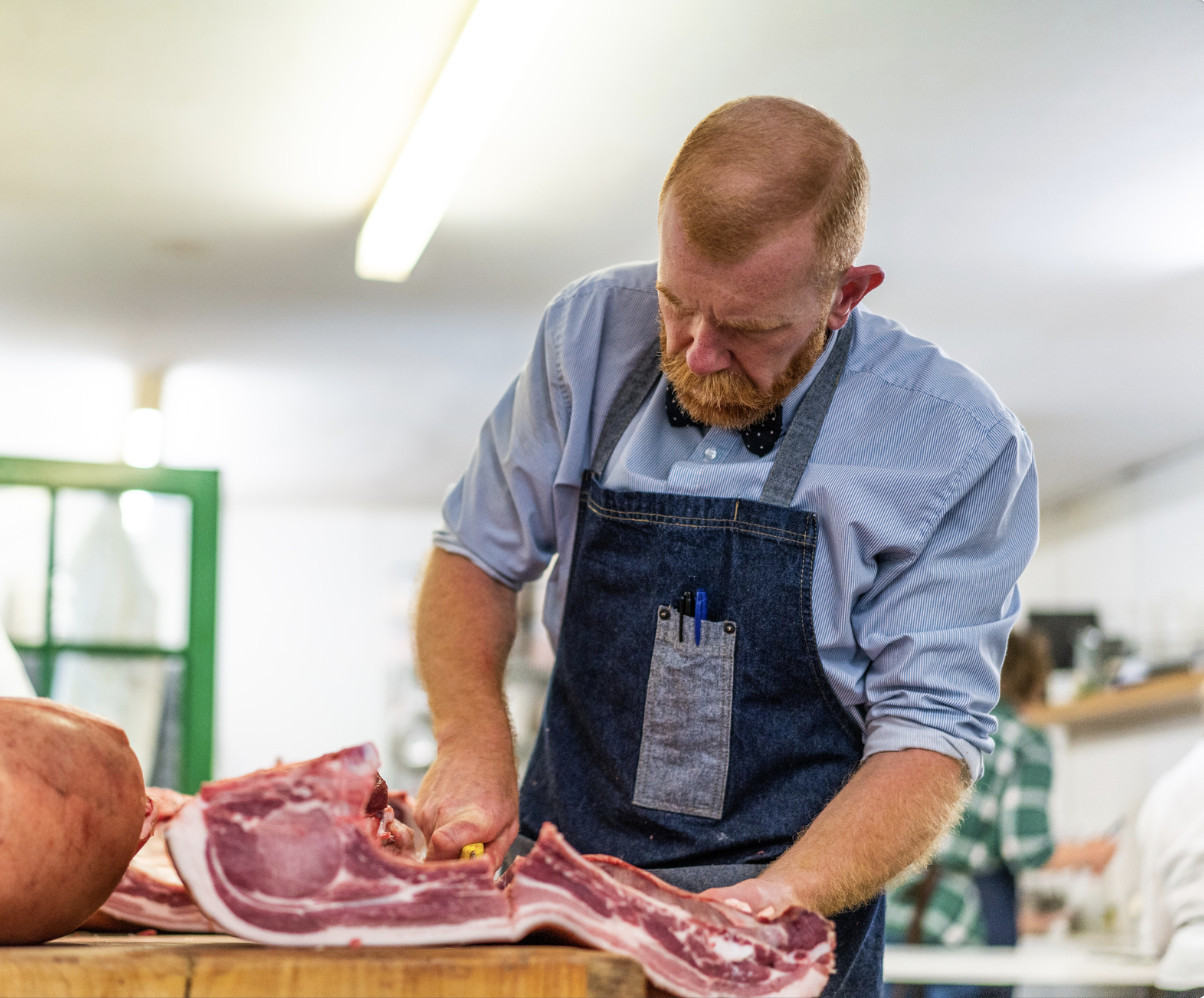
Another factor that is contributing to the revival of traditional butchery is the growing interest in artisanal food products. Consumers are increasingly interested in locally produced, hand-crafted foods, and traditional butchers are well-positioned to meet this demand. Many butchers are now focusing on producing high-quality, artisanal products such as charcuterie, sausages, and other cured meats. In 2022, at the World Butchers’ Challenge in Sacramento, Craft Butchers Ireland were awarded the accolade “Best Pork Sausage in the World” as judged by butchers from 13 countries. In 2025, Craft Butchers Ireland won Best Chicken Product in the World. In 2018, the Irish Butchery Team were the World Champions.
Ironically, the rise of modern high-tech solutions like e-commerce online and direct-to-consumer sales has made it easier for traditional butchers to reach a wider audience. Online platforms and social media allow butchers to market their products directly to consumers, bypassing the need for expensive retail space. This has opened up new opportunities for small-scale butchers to reach customers who may not have access to traditional butcher shops in their area.
Overall, the rise of supermarket low prices has certainly put traditional butchery under threat. However, it is important to recognize the value that traditional butchers bring to the community in terms of quality, sustainability, and community support. By supporting local butchers, consumers can help to ensure that high-quality meat remains available, while also supporting local economies and reducing their carbon footprint. Many traditional craft butchers have their own farms, rearing their own animals. This gives them a unique advantage in the traceability, quality and provenance of the meat they sell.
Traditional Butchers have the skills
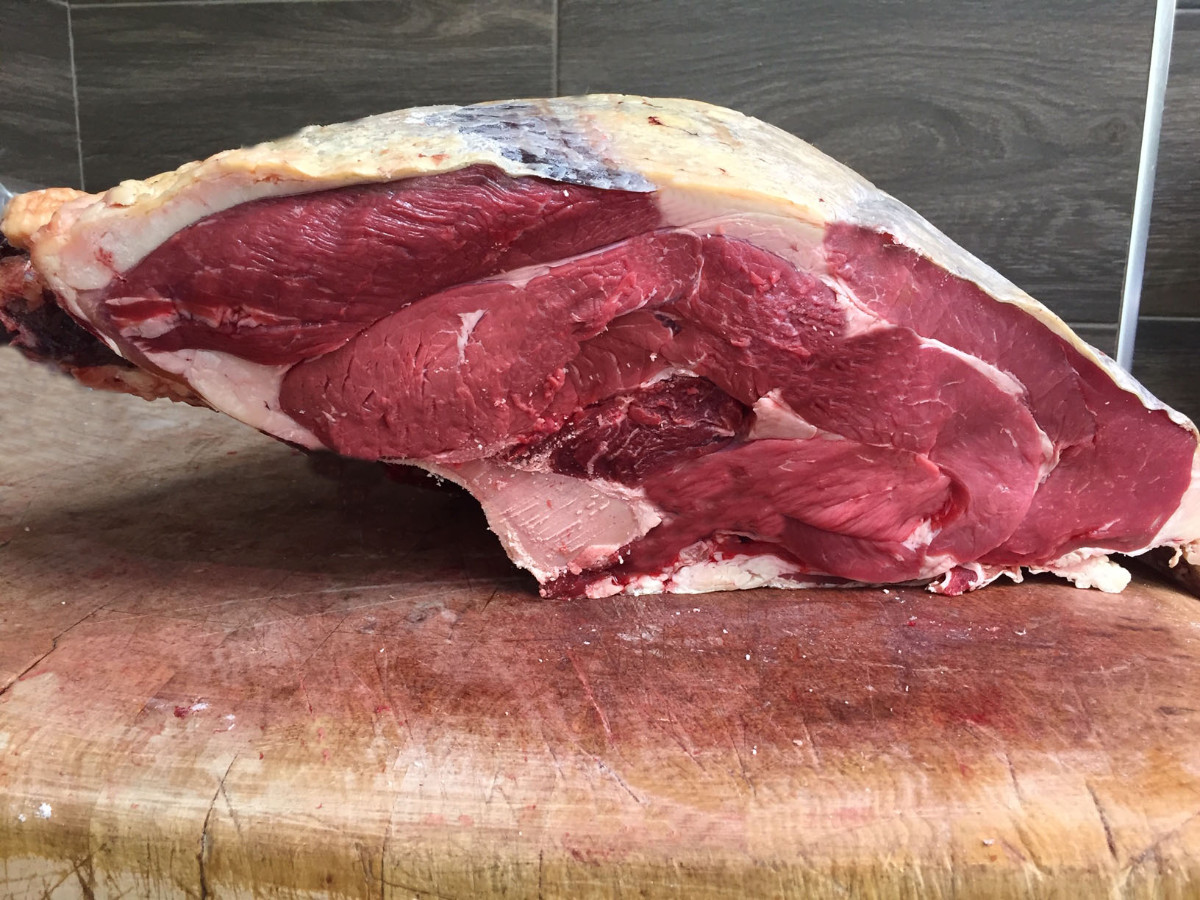
Traditional butchery may have faced challenges in recent years, but it is poised for a comeback in the coming years. Consumers are increasingly interested in locally sourced, sustainable, and high-quality meat, and traditional butchers are well-positioned to meet this demand. By focusing on artisanal products, personalized service, and online sales, traditional butchers can carve out a niche in the modern food landscape and help to keep this essential food tradition alive for future generations.
The rise of supermarkets has had a significant impact on traditional butchery. Supermarkets have been able to offer lower prices because of economies of scale and centralized sourcing, which can make it difficult for traditional butchers to compete. They also use “loss leaders”, whereby they sell meat at cost or below cost, to entice shoppers in, but they make their money on the huge range of other products they sell. As a result, many consumers have turned to supermarkets for their meat purchases, which has put traditional butchers under threat.
One of the biggest challenges that traditional butchers face is maintaining quality while competing with supermarkets. Supermarkets often offer meat at lower prices by sourcing from large-scale industrial farms, which prioritize quantity over quality. This can lead to lower-quality meat that is less flavorful and less nutritious than meat from smaller, more traditional farms. Traditional butchers often have a more personal relationship with their customers, which can allow them to offer personalized advice on cooking and preparation, as well as the ability to offer cuts that will not be available at supermarkets.
The decline of traditional butchery can also have a negative impact on local communities. Traditional butchers often source their meat from local farms and suppliers, which can help to support local economies and reduce the carbon footprint associated with transporting meat over long distances. Traditional butchers often have a strong connection to the community, and their presence can help to contribute to the overall vibrancy of local neighborhoods.
I know butchers whose families have been buying from the same farm families for decades, or even longer.
Overall, the rise of supermarket low prices has certainly put traditional butchery under threat. However, it is important to recognize the value that traditional butchers bring to the community in terms of quality, sustainability, and community support. By supporting local butchers, consumers can help to ensure that high-quality meat remains available, while also supporting local economies and reducing their carbon footprint. the money you spend in an artisan butcher shop stays in the community and doesn’t go to a faceless group of shareholders, possibly in another country.
The economics of buying local
According to Conor Pope in the Irish Times, “If we are buying more and more online then we are losing the local multiplier effect which means that every €100 spent in the local economy is actually worth €500.”
There is an old saying
“keep your business in town if you want to keep your town in business”
or another that says “Buy local or Bye – Bye local”. When the multinationals are in control of all retail, there will be very little, if anything, coming back to local economies.
This is truer today than it ever was, but there are other reasons to buy local when it comes to buying meat. Your local Craft Butcher generally buys from local farms, and the animals are slaughtered locally which has a direct bearing on meat quality.
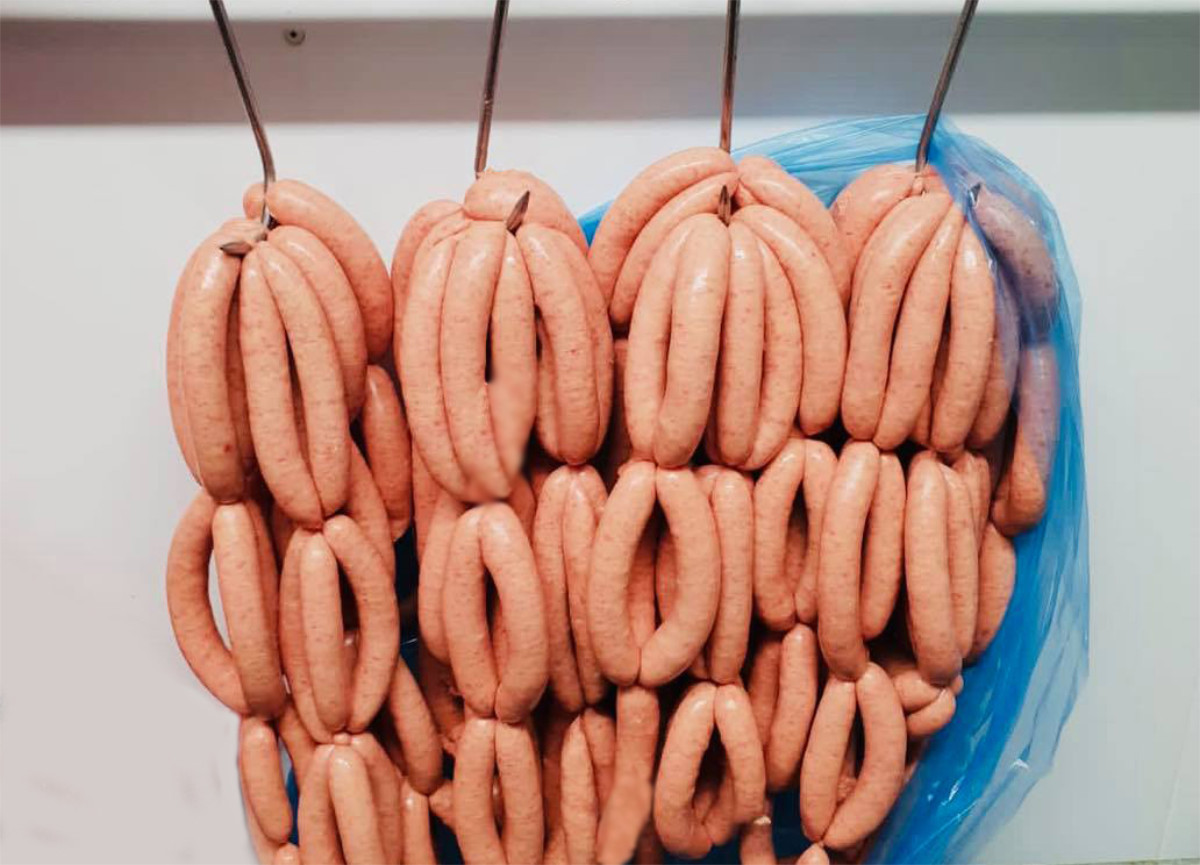
Would you prefer sausages made by hand by experts, or a concoction made by industrial machines?
Your choice.
Emma McHenry has a great article on the decline of the traditional Craft butcher here.
Here is a Top 10 of Butchers in Dublin, all with a unique, artisanal offering. if you don’t live in Ireland, I really feel sorry for you, because we have the best beef, lamb, pork and poultry, and of course the best butchers, in the world.
Use it or lose it, applies to any business that supermarkets want to control.
Leave a Reply