Corned beef, with its hearty flavor and rich cultural roots, is often synonymous with Irish cuisine—especially around St. Patrick’s Day. But the story of Irish corned beef is more complex and fascinating than the holiday associations suggest. Let’s explore its history, the differences between brisket and round cuts (bone-in and boneless), and how to prepare this beloved dish to perfection.
A Brief History of Irish Corned Beef
Despite popular belief, corned beef is not a staple dish in modern Ireland. In fact, its historical connection to Ireland is more economic than culinary. During the 17th and 18th centuries, Ireland was one of the world’s leading producers of salted beef, particularly for export to the British Empire. The name “corned beef” comes from the large “corns” or grains of salt used to cure the meat.
Ironically, while Irish cattle were used to make this product, it was too expensive for the average Irish person to eat. Instead, they relied on pork—especially bacon. When Irish immigrants came to the United States in the 19th and early 20th centuries, particularly those living in New York’s melting-pot neighborhoods, they encountered Jewish butchers selling kosher corned beef. It was affordable, tasty, and reminded them of the cured meats from home. Thus, the Irish-American tradition of corned beef and cabbage was born.
Corned Beef Cuts: Brisket vs. Round
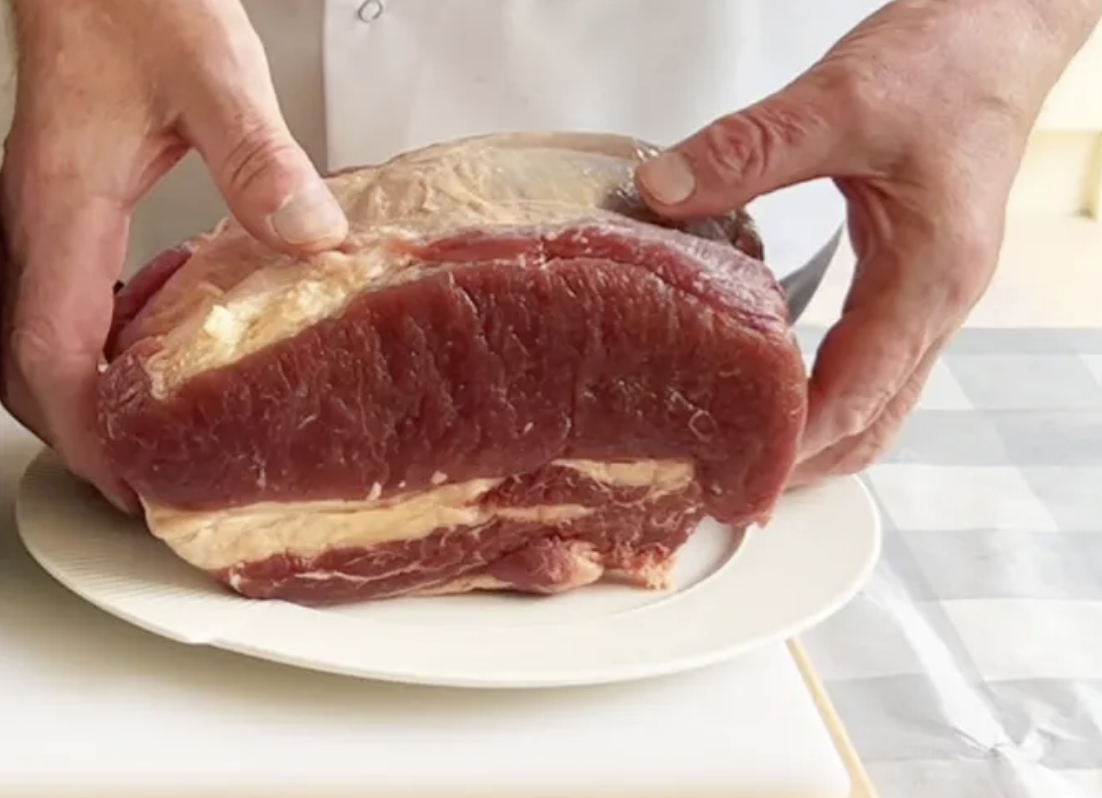
Corned beef typically comes from two primary cuts of beef:
1. Brisket
- Location: Taken from the breast of the cow.
- Texture: Known for its rich marbling and fibrous texture.
- Flavor: Brisket tends to be more flavorful and juicy, especially when slow-cooked.
- Variants:
- Flat cut: Leaner and easier to slice uniformly.
- Point cut: Fattier and more flavorful, but harder to slice neatly.
- Bone-in brisket: Less common but adds depth of flavor. Requires longer cooking to extract flavor from the bone.
- Boneless brisket: Easier to cook and slice, commonly sold in supermarkets. VIDEO
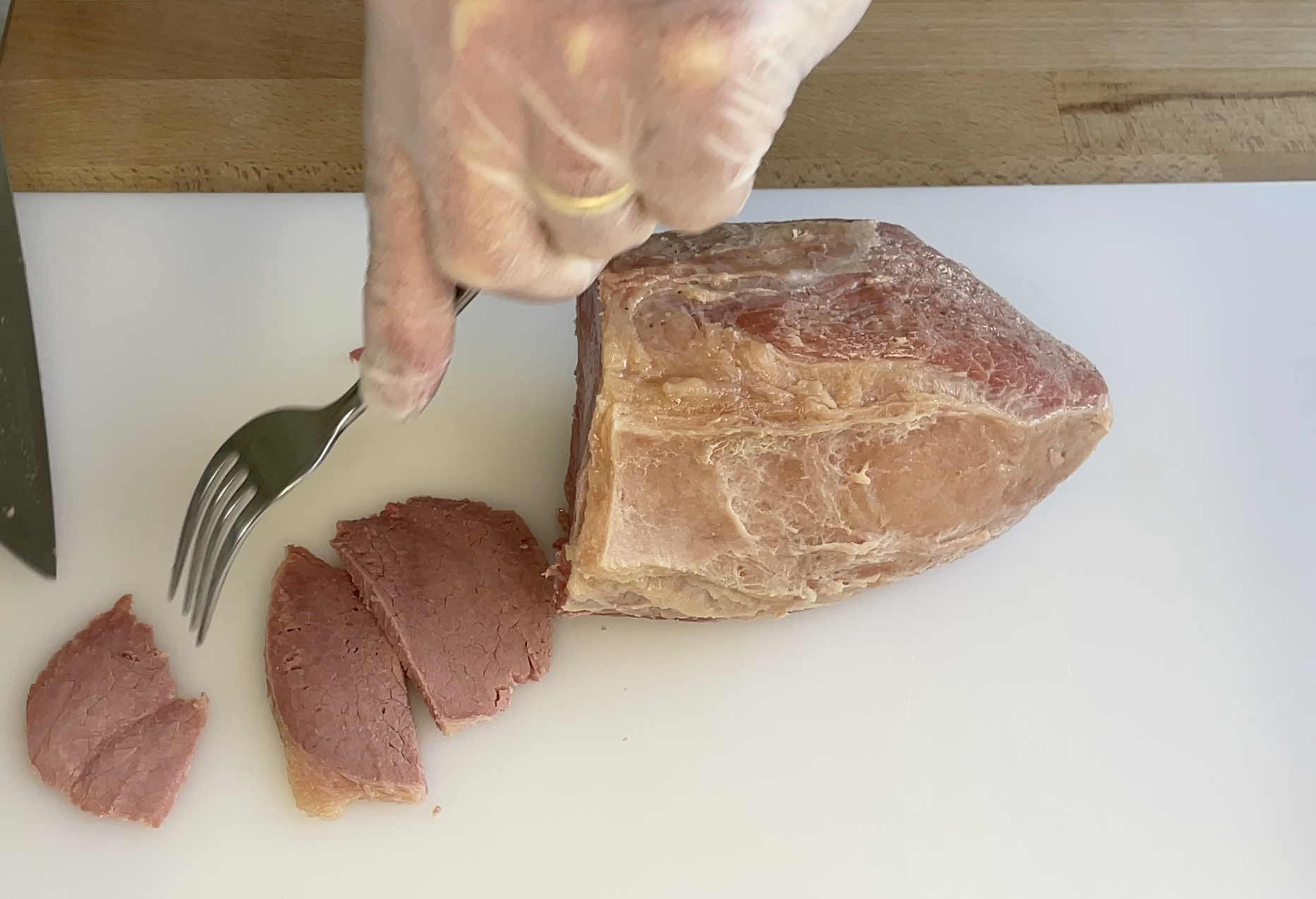
2. Round
- Location: From the rear leg of the cow.
- Texture: Leaner and firmer than brisket.
- Flavor: Milder and less rich; benefits from long, moist cooking to tenderize.
- Variants:
- Top round: Slightly more tender than bottom round.
- Bottom round: Tougher, but still good when properly cooked.
- Bone-in round: Rare in corned beef form, but can be found in specialty butchers.
- Boneless round: Commonly used in mass-market corned beef due to its uniformity.
How Corned Beef Is Prepared
Corned beef starts as a raw cut of beef cured in a salt brine for several days to a week. Traditional corning methods use:
- Salt (often pink curing salt, which contains sodium nitrite)
- Sugar
- Pickling spices (typically peppercorns, mustard seed, bay leaves, allspice, coriander, and cloves)
- In Ireland, we don’t use sugar or spices, we prefer it plain.
After curing, the meat is typically rinsed and then cooked slowly to break down connective tissue and render it tender.
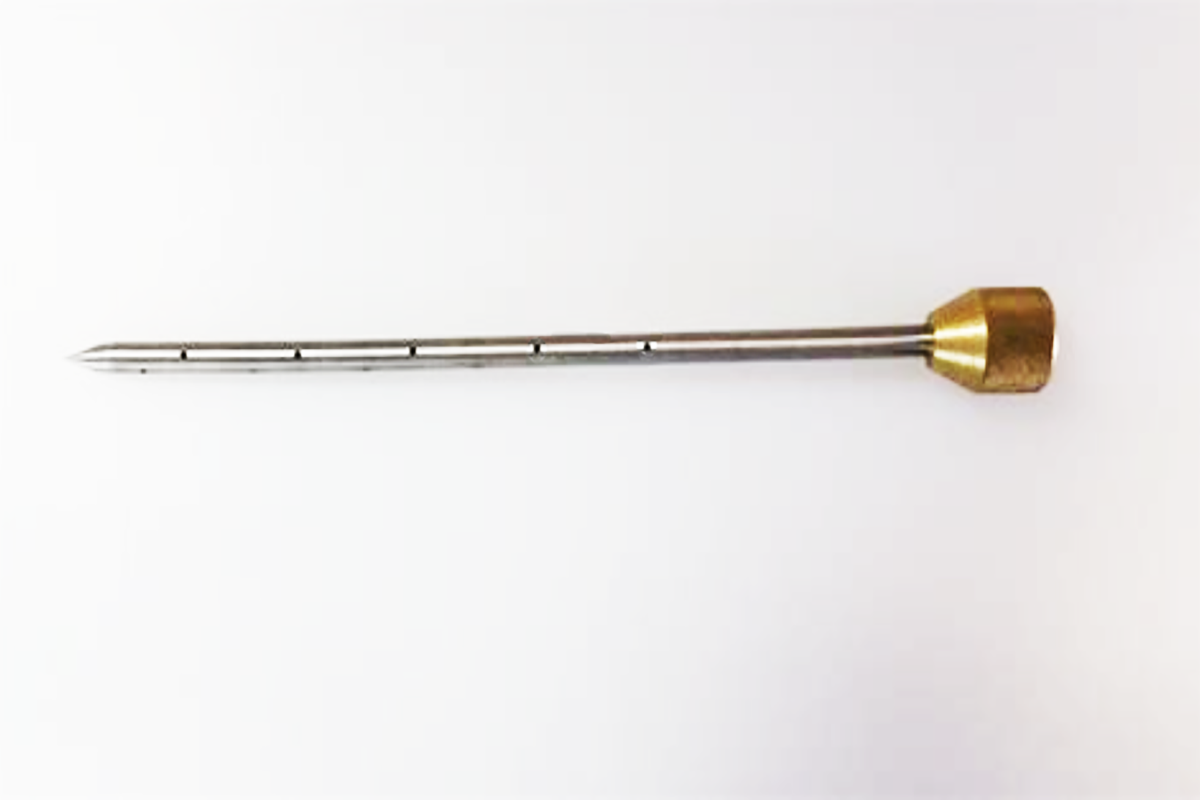
Corned Beef can be Dry Cured or pumped. The meat in the photos or video was pumped. An injector pushes brine into the muscle and over a number of days the water oozes out and leaves the salt behind.
I also have a Dry Cured Corned Beef video https://www.youtube.com/watch?v=2A2FE3OyisM&t=3s
Cooking Methods:
1. Boiling (Traditional Method)
- Rinse the corned beef to remove excess salt.
- Place in a large pot with cold water and pickling spices.
- Bring to a boil, then simmer for up to 2 hours (brisket) or 3 hours (round), depending on weight.
- Add cabbage, potatoes, and carrots during the last 45 minutes.
2. Slow Cooker
- Place corned beef (fat-side up) in the cooker with water or broth and spices.
- Cook on low for 8–10 hours.
- Add vegetables in the final 2 hours.
3. Oven-Braised
- Place corned beef in a Dutch oven with aromatics and a bit of water or beer.
- Cover tightly and bake at 300°F for 3–4 hours.
- I find this method comes out very salty. If you want to try it, put the uncooked corned beef in a pot of water, bring to the boil and discard the water. Start again with fresh cold water. This takes away some of the salt
4. Pressure Cooker or Instant Pot
- Cook on high pressure for 90 minutes, with a natural release.
- Vegetables can be added and cooked under pressure for 5 more minutes.
Tips for Perfect Corned Beef
- Slice against the grain: This shortens muscle fibers, making each bite more tender.
- Let it rest: Rest the meat for 10–15 minutes after cooking to retain juices.
- Use leftovers creatively: Corned beef hash, Reuben sandwiches, and corned beef and potato cakes are excellent next-day dishes.
- Don’t over boil it. Simmer for 90 minutes for best result.
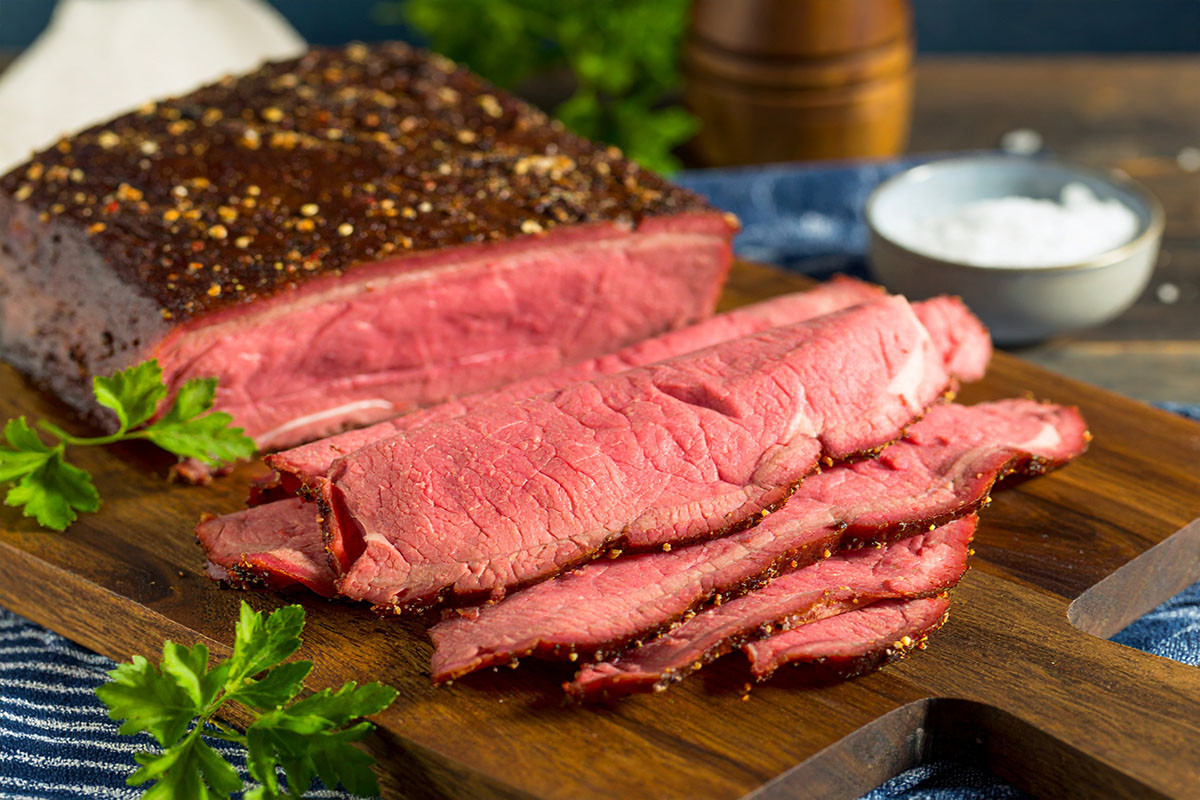
Cooking Brisket video: https://www.youtube.com/watch?v=heEYzN_DqgE&t=6s
Is Corned Beef Really Irish?
Yes and no. While corned beef was produced in Ireland, it was not widely consumed there by the native population. It became truly “Irish” in the American sense—part of the Irish immigrant experience in the U.S., adapted and evolved through cultural interaction and necessity.
Today, corned beef remains a comfort food classic, bridging cultural histories and generations of family meals.
Always Tasty
Whether you prefer brisket or round, bone-in or boneless, Irish corned beef is more than a holiday novelty. It’s a dish steeped in history, shaped by migration and adaptation, and best served with a bit of patience and a lot of love. So next time you prepare it, remember: you’re not just making a meal—you’re continuing a story that spans centuries and continents.
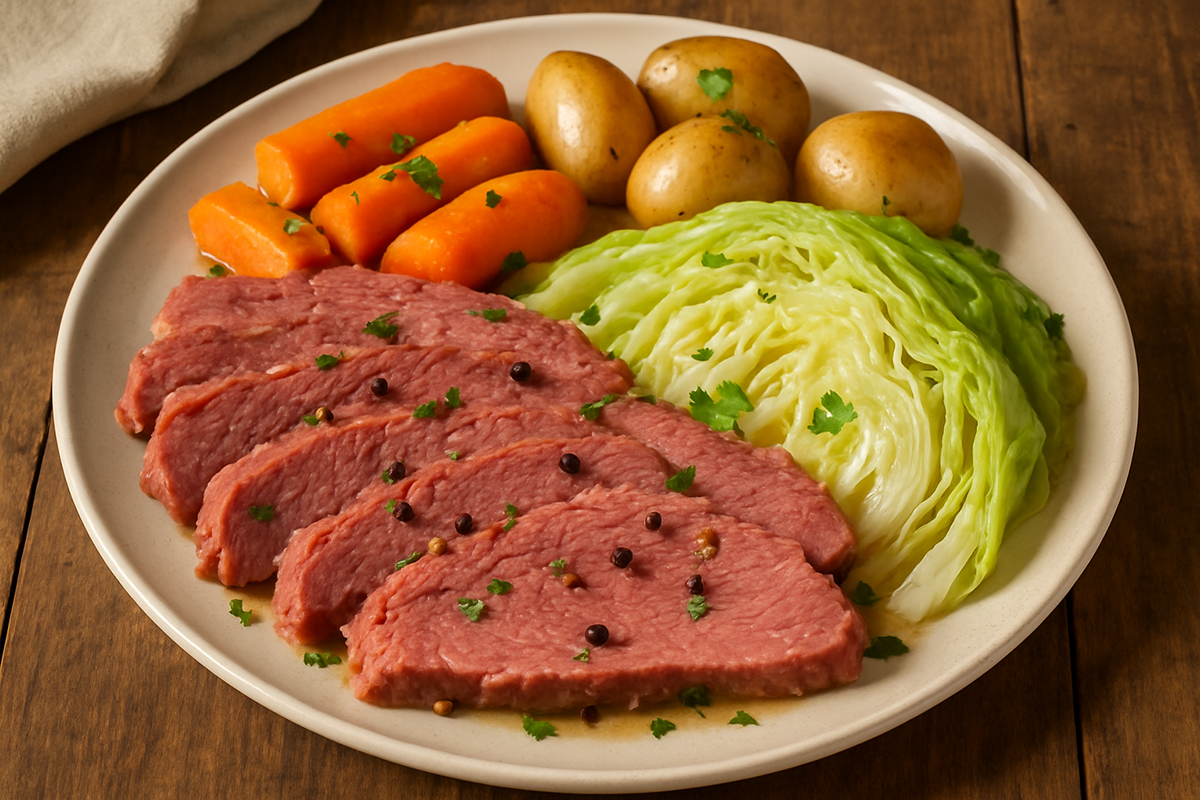
Corned Beef and Cabbage is a classic, comforting dish that combines tender, flavorful corned beef with earthy vegetables like cabbage, carrots, and potatoes. This dish is a timeless favorite, bound to be a hit at any gathering!
Prep Time15 minutes
Cook Time2hours
Total Time2hours 15 mins
Notes
- 6 Quart Dutch Oven
- 1kg corned beef brisket
- 1 large onion peeled and cut into quarters
- 4 cloves garlic minced
- 2 bay leaves
- 1 teaspoon black peppercorns
- 0.5 teaspoon mustard seeds
- 0.5 teaspoon coriander seeds
- 4 whole cloves
- mustard or horseradish for serving
- 1 small head cabbage cut into 6 wedges
- 3 medium potatoes peeled and quartered
- 3 medium carrots peeled and cut into thick slices
- salt and pepper to taste
- Place the corned beef brisket in a large pot. Add enough water to cover the meat. Add the onion, garlic, bay leaves, peppercorns, mustard seeds, coriander seeds, cloves, salt and pepper.
- Bring the water to a boil, then reduce to a simmer. Cover and cook for about 2 to 2½ hours, or until the meat is tender when prodded with a fork.
- Once the meat is tender, add the potatoes and carrots to the pot. Let them cook for about 10-15 minutes.
- After the potatoes and carrots have started to soften, add the cabbage wedges on top. Cook for an additional 15-20 minutes, or until the cabbage is tender but not mushy.
- Remove the vegetables and beef from the pot. Slice the beef against the grain. Serve hot with the vegetables. Mustard or horseradish on the side is highly recommended for that extra kick!
- Go Easy on the Salt: Remember, the corned beef is already quite salty, so be cautious with adding extra salt. Taste the broth before adjusting the seasoning.
- Slice Against the Grain: For the most tender eating experience, always slice your corned beef against the grain.
- Use a Large Pot: Make sure to use a pot big enough to comfortably hold the brisket and vegetables with enough room for the water to cover everything.
Leave a Reply