Kitchen Hygiene Rules OK?
If I asked you what was the dirtiest place in your home, what would you say?
The toilet seat, probably.
Well, you’d be wrong.
There are fewer germs on a toilet seat than on a poorly cleaned chopping board.
And your kitchen sponge and dishcloth are probably the worst culprits of all.
Surprised?
You shouldn’t be.
You probably don’t see raw meat and raw meat juices as dirty, but if not cleaned and sanitised properly they can be VERY dangerous.
Recent advice from health authorities encourages consumers NOT to wash meat, particularly poultry, under a tap, because this spreads germs all over the kitchen. The safest course when preparing any food in the kitchen is to have colour coded boards for each food type. The usual scheme is Red for meat, Green for salad, fruit and fresh vegetables, Blue for Fish, Brown for root vegetables, Yellow for cooked meat and White for bakery and dairy products.
Wooden Cutting Boards: More Hygienic Than Plastic?
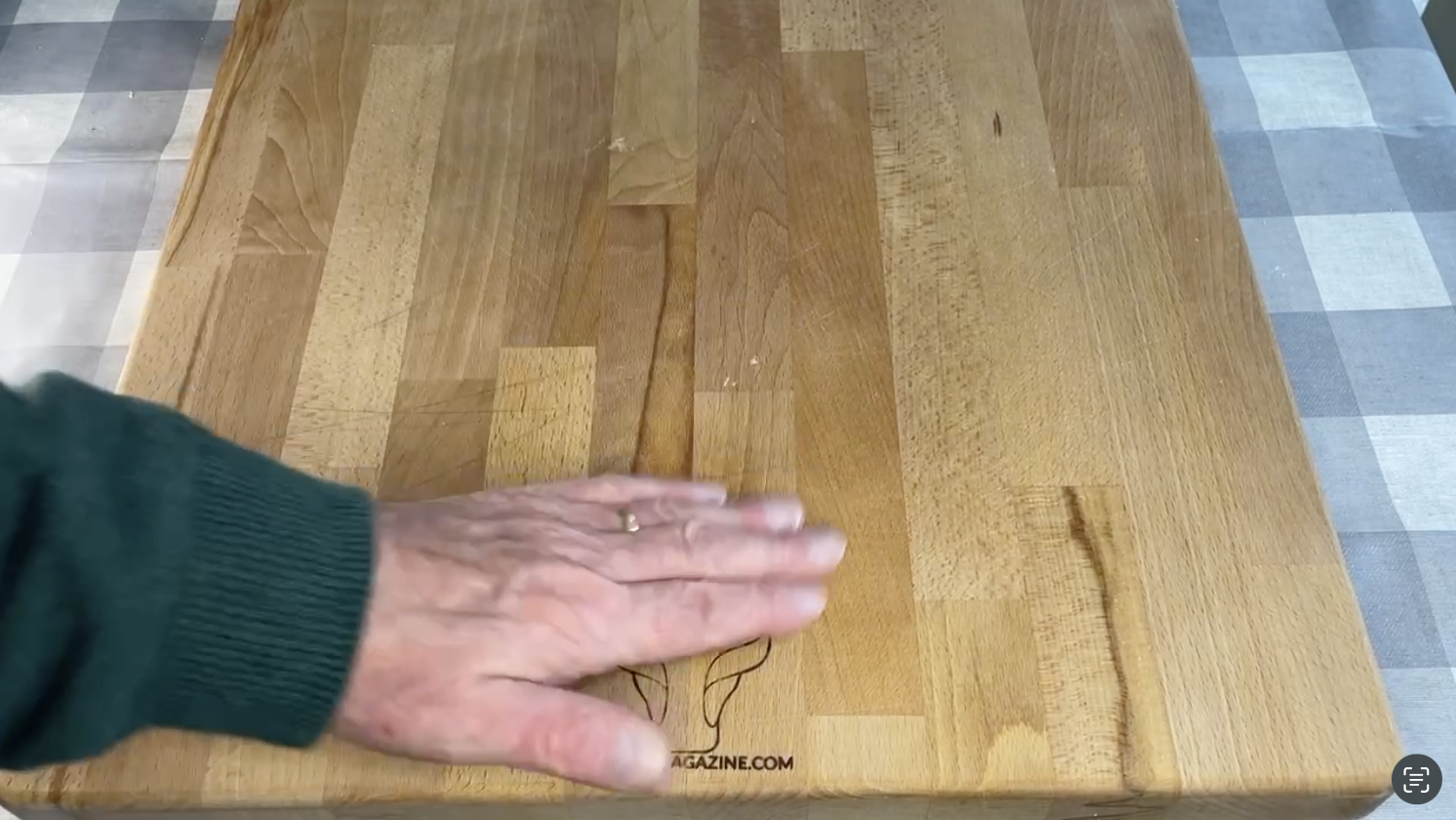
For meat, I recommend an edge faced wooden cutting board. Some so-called experts say wood is not as good as plastic and I have to disagree. If the wooden board is washed properly after every use it will last for years. I am a butcher for more than 40 years now and have always worked on wooden boards. Wooden boards have a number of qualities that plastic can’t copy. The resin in woods can kill bacteria almost immediately. Plastic, glass, or metal boards will blunt your knives in seconds. Wood won’t.
Buy a good quality set of cutting boards that can be cleaned easily and create a good habit of using them properly and all should be well. Don’t wash wooden cutting boards in the dishwasher.
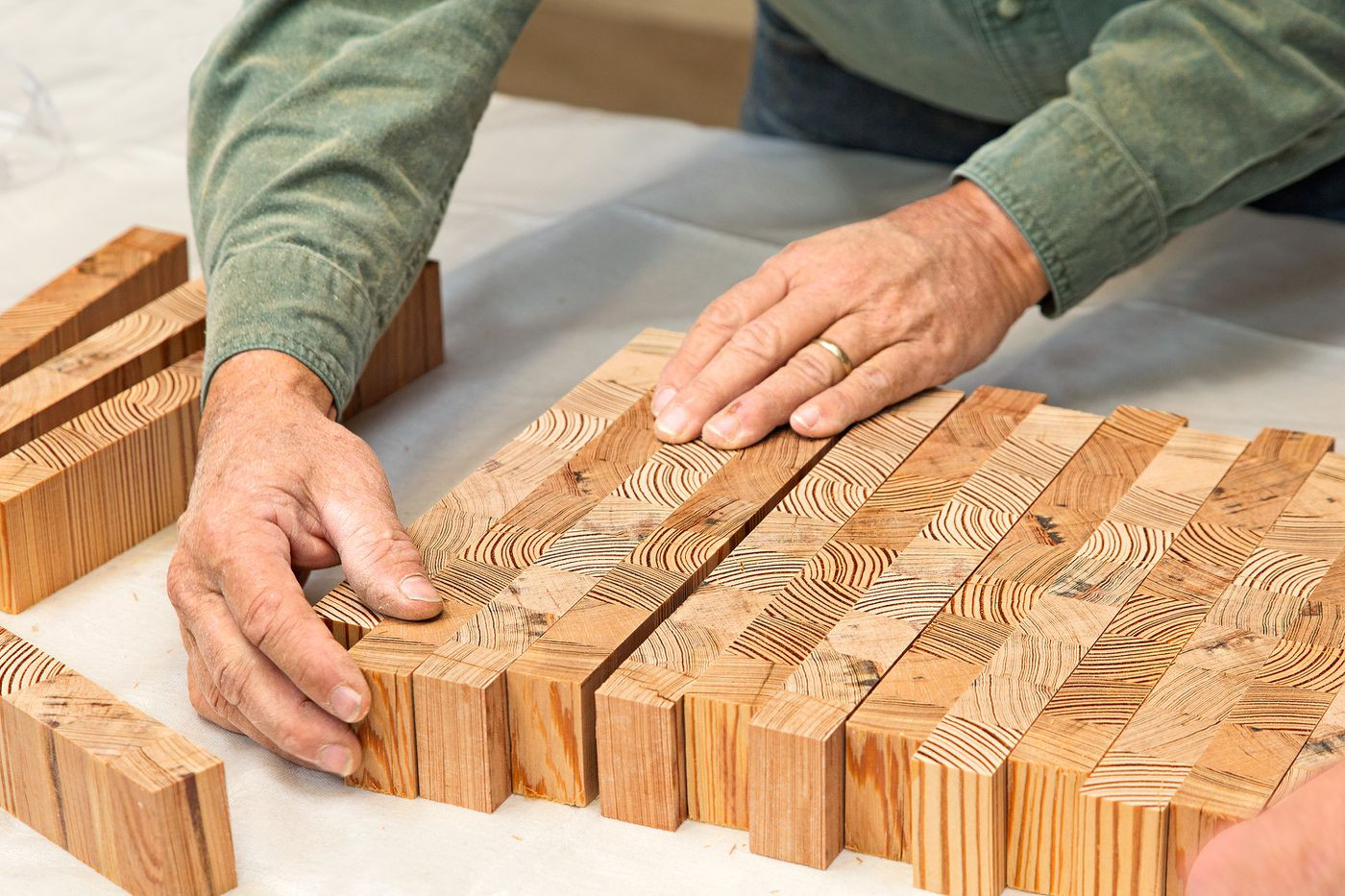
The main thing to remember when buying a wooden cutting board is to get one made of end-grain wood.
And buy a raw, unvarnished cutting board. The antibiotic properties in wooden boards work because the ingrain is open and can absorb and destroy the bacteria from whatever you are cutting. Varnished or oiled boards that are not end-grain prevent the bacteria being absorbed.
I attach a photo of an end-grain board being assembled.
Try to find a butcher equipment supplier or find a woodworker you know and get them to make one to your specification.
As you can see the board is made from small rectangles of end-grain wood glued together under pressure.
If you do buy one, don’t oil or varnish it. Raw wood works best.
Clean with a paint scraper first if it has accumulated fat and meat debris, then with a stiff wire brush, followed by a cloth dampened with a sanitising liquid.
Don’t soak it with water ever, it will split and the bacteria will build up.
Use Different Knives
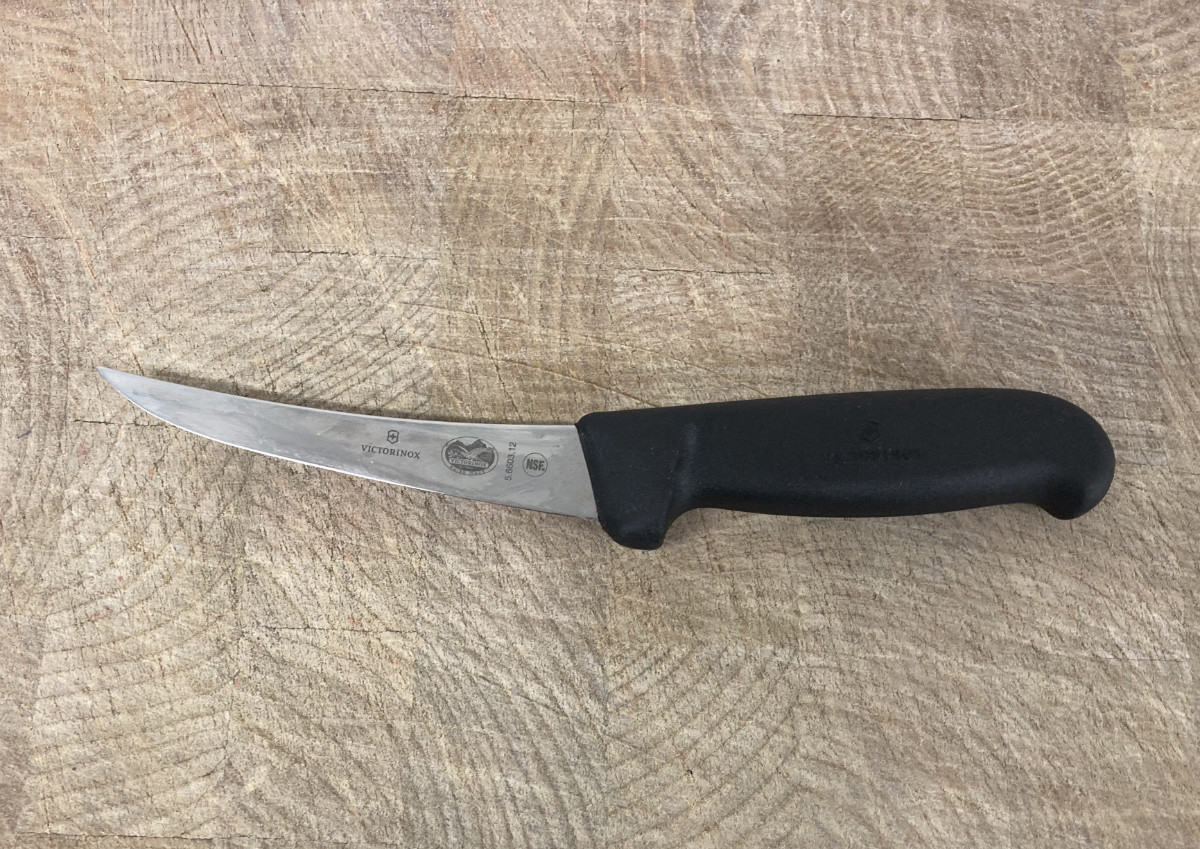
Be careful to use different knives for the different food types and different meats, or at the very least wash your knife between each food type.
Before food preparation begins you need to make sure your personal hygiene is of a high standard.
The best way to maintain food hygiene is to have a set of basic food hygiene rules, or better still, restaurant hygiene rules.
Be aware that the people you are cooking for are depending on your hygiene standards and if they are very young or very old particularly, their immunity to food-borne bacteria is not as good as it might be.
The “Mythical” 5 Second Rule

Let food safety be your watchword in everything you do in the kitchen and ignore the urban myths like the “5-second rule”. This nonsense says that if food falls on the floor and is picked up in less than 5 seconds it will be OK to eat. Think about it for a second. You might have dogs and cats or other pets wandering around your house. You might have people trailing mud on your kitchen floor. Do you really think it’s OK to serve food that has been on the floor? And if you do would you accept in a restaurant?
Behave as if your kitchen was going to be inspected by a health department official and always strive for total food safety.
You can do a food hygiene course online and get yourself up to speed if you are unsure, but a set of food hygiene rules that you familiarise yourself with will stand you in good stead always.
Dress Properly
Wash your hands before preparing food always.
Wash your hands after using the toilet or touching your nose.
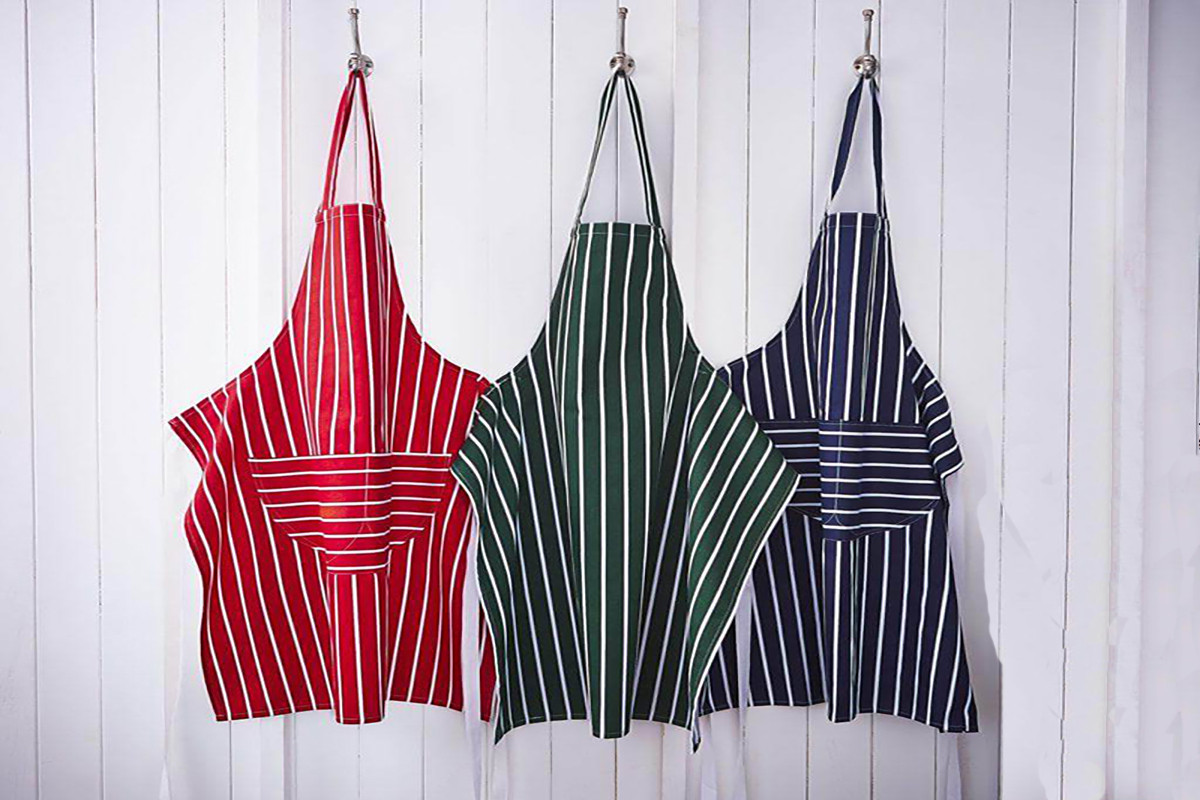
Wear a clean apron. You might believe that food handlers in shops wear protective clothing to keep their street clothes clean, when in fact it is the opposite. White coats, aprons, hats, etc. are there to protect food from the food handler’s clothing and hair.
Tie long hair back.
Always work on clean, sanitised surfaces.
Wash vegetables under running water and never cut any other food on the cutting board you have used for vegetables that grow under the earth.
Your hands, knives, cutting board, work surfaces, cupboard handles and the taps will all be covered in germs if you are not very stringent in your food hygiene regime.
All meat has germs, as we do. Chicken is usually covered in Campylobacter but cooking to the proper temperature will kill all those germs and so our food will be safe to eat.
Minimise Contamination
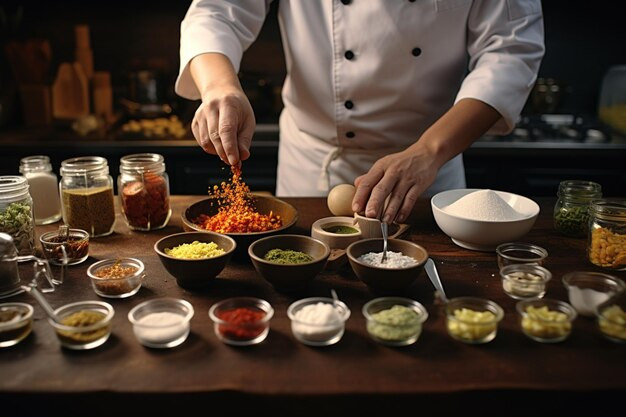
The utensils you use can be a source of contamination. They need to be washed and sterilised after meat prep because germs will multiply rapidly in a warm kitchen and transfer germs to food the next time you use them.
Before you do any of your home meat preparation have everything you need to hand so you are not opening drawers and cupboards with “meaty” hands. Chefs call this “mise en place”. Have all your equipment and ingredients ready before you begin cooking. After you have done your prep and put the dishes in the oven or on the hob to cook, do all your wash up immediately. Hot water and detergent are essential for washing down work surfaces and utensils, then dry with a clean dish towel before storing them.
If you are using a wooden board for cutting meat, scrub it with a stiff bristled brush in hot water with a detergent and a kitchen sanitiser, like Milton, then rub it dry with a clean cloth and leave it to air dry completely. Every so often, sand down the wooden board to a smooth finish. If it starts to crack after you have been using it for a long time, replace it.
If you have a butcher’s block in your kitchen, use a wire block brush to scrape off the top surface. This is by far the best cleaning method. Use a sanitiser, like Milton, in water to wash the block down after scraping. Don’t over-wet it though, and you will get many years from a good wooden block if you look after it properly.
Take Care of Your Knives
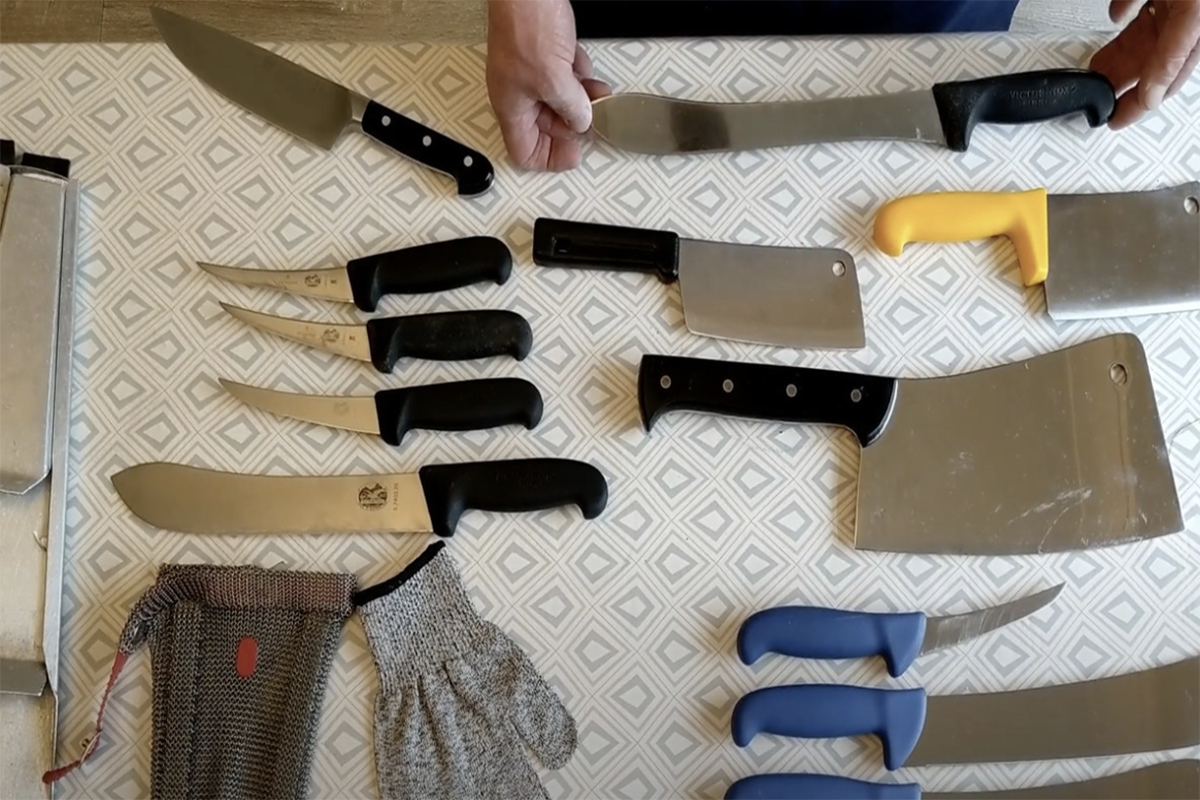
If you have a set of good quality kitchen knives, particularly with wooden handles, never put them in the dishwasher. The wood in the knife handles will shrink in time after being in the dishwasher and will eventually separate from the metal. Another reason not to put them in the dishwasher is there is nowhere safe to put them. They are usually very sharp and when reaching in to remove items you could get a serious cut from an edged implement.
The best method for storage of good quality knives is on a magnetic rack, or a wooden knife block. Do not put sharp knives in a drawer with other kitchen utensils, because A, it’s dangerous and B, they won’t stay sharp for long after banging off forks and spoons in the drawer.
Meat Storage
Store fresh meat, wrapped, in the bottom of your fridge so it doesn’t drip onto fresh, ready to eat foods. Follow the use by date on any packages, and to be really sure, smell the item.
Fresh meat doesn’t have a strong smell unless you are using dry-aged beef which can have a gamey, cheesy aroma. If meat or chicken smells sour or is sticky, don’t use it. That is nature’s way of warning you about bacteria.
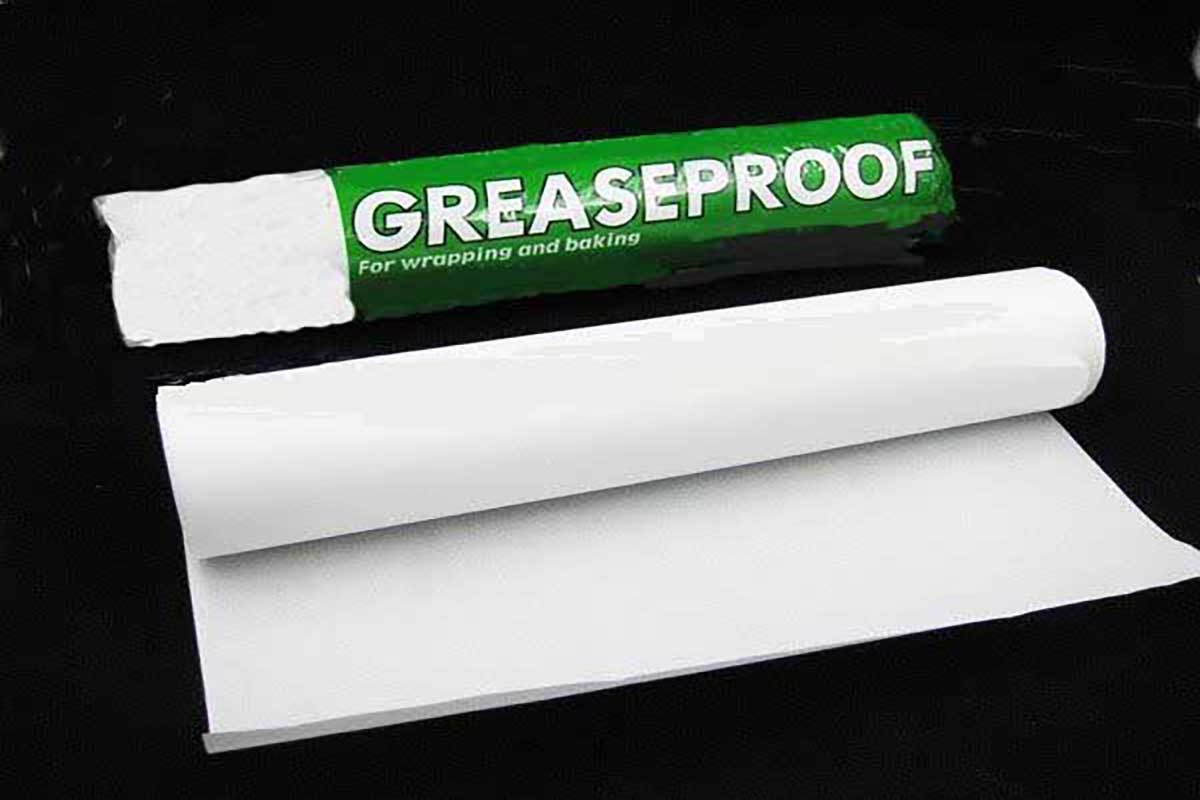
If you don’t like plastic packaging, and who does? wrap meat in greaseproof paper if you are going to keep it for a few days. This will allow meat to breathe and you won’t have clammy plastic bags to dispose of.
Temperature
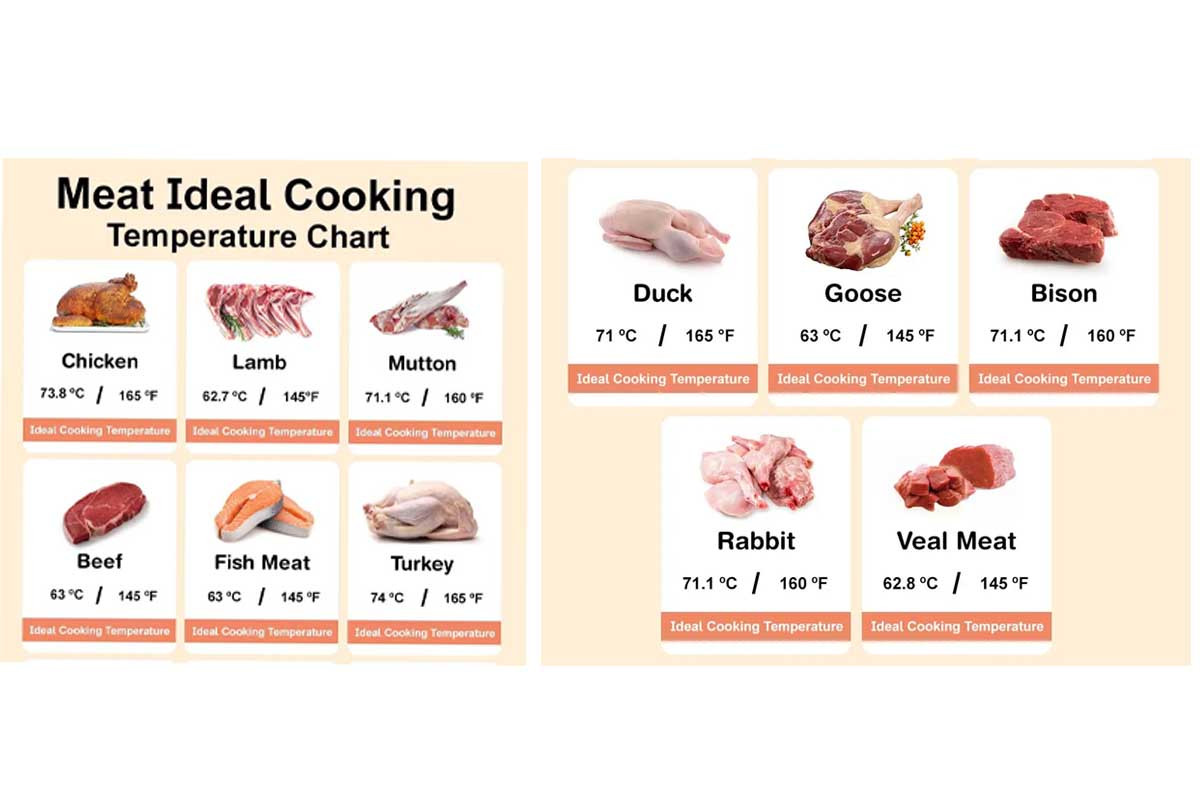
Health authorities recommend cooking meat to an internal temperature of 72 degrees C (162F) but if you like your beef rare that will overdo it. If you know and trust the butcher you buy your meat from, he or she will be well able to give you expert advice on cooking. You can always Sous Vide your steaks and they will never be overcooked.
Pork has a bad reputation to the extent that most people cook it to the limit to be sure it is safe.
The USDA recently revised their recommended cooking temperature for pork downwards because their food scientists have agreed that pork doesn’t need to be “well done” to be safe.
Frozen Meat
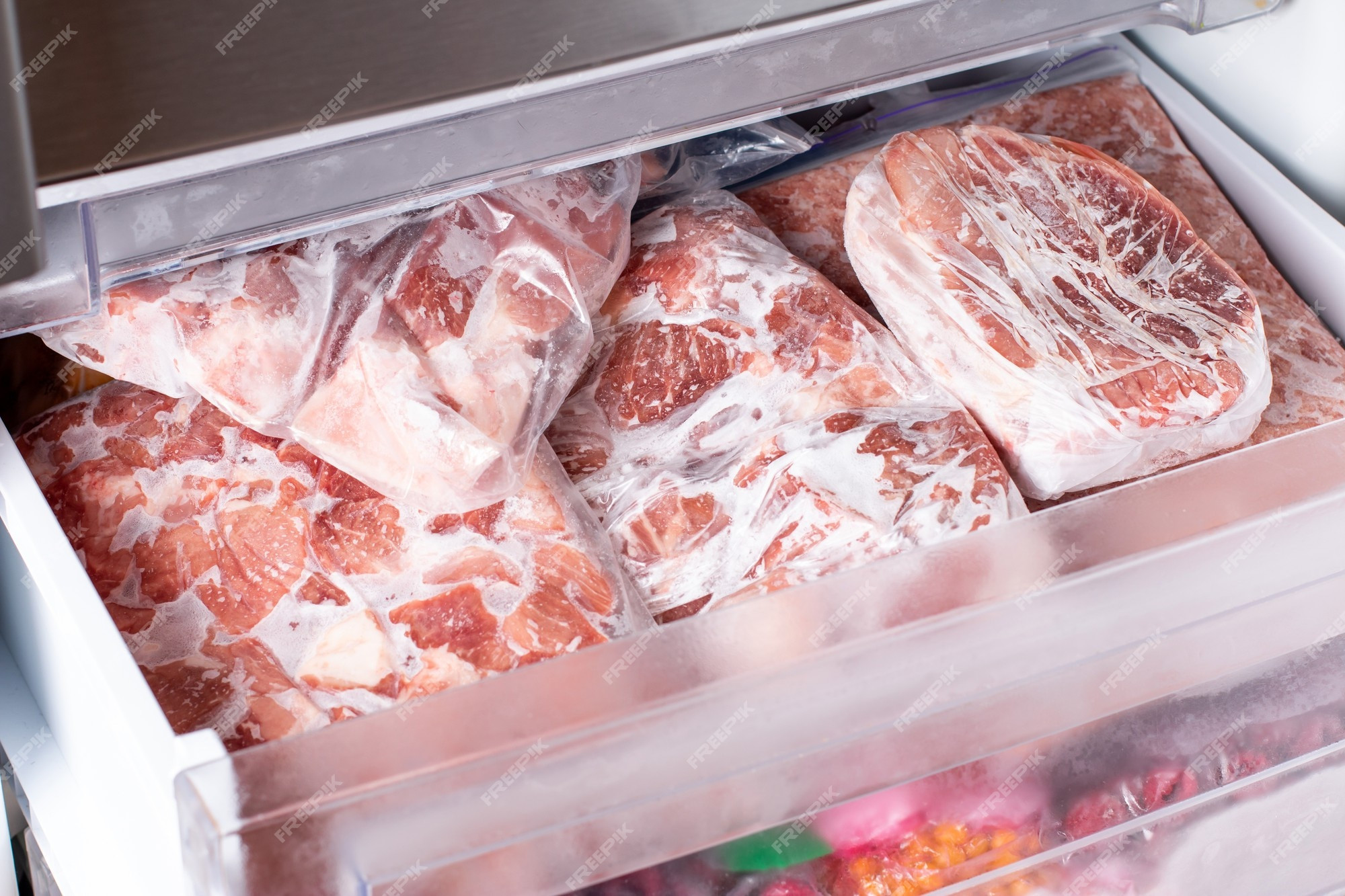
Defrosting frozen meat can be a hazard if not done properly.
Always defrost meat in the fridge.
This needs a bit of meal planning because larger cuts of meat take some time to defrost properly. Never defrost meat by immersing the pack in hot water. If you need it done in a hurry, use cold water and change the water every 30 minutes. You can defrost in the microwave, but it is a very uneven method and some parts of the meat will have started to cook.
If you have a very large joint to defrost, put it in a basin at the bottom of the fridge to catch any drip.
Cook Clean, Stay Safe
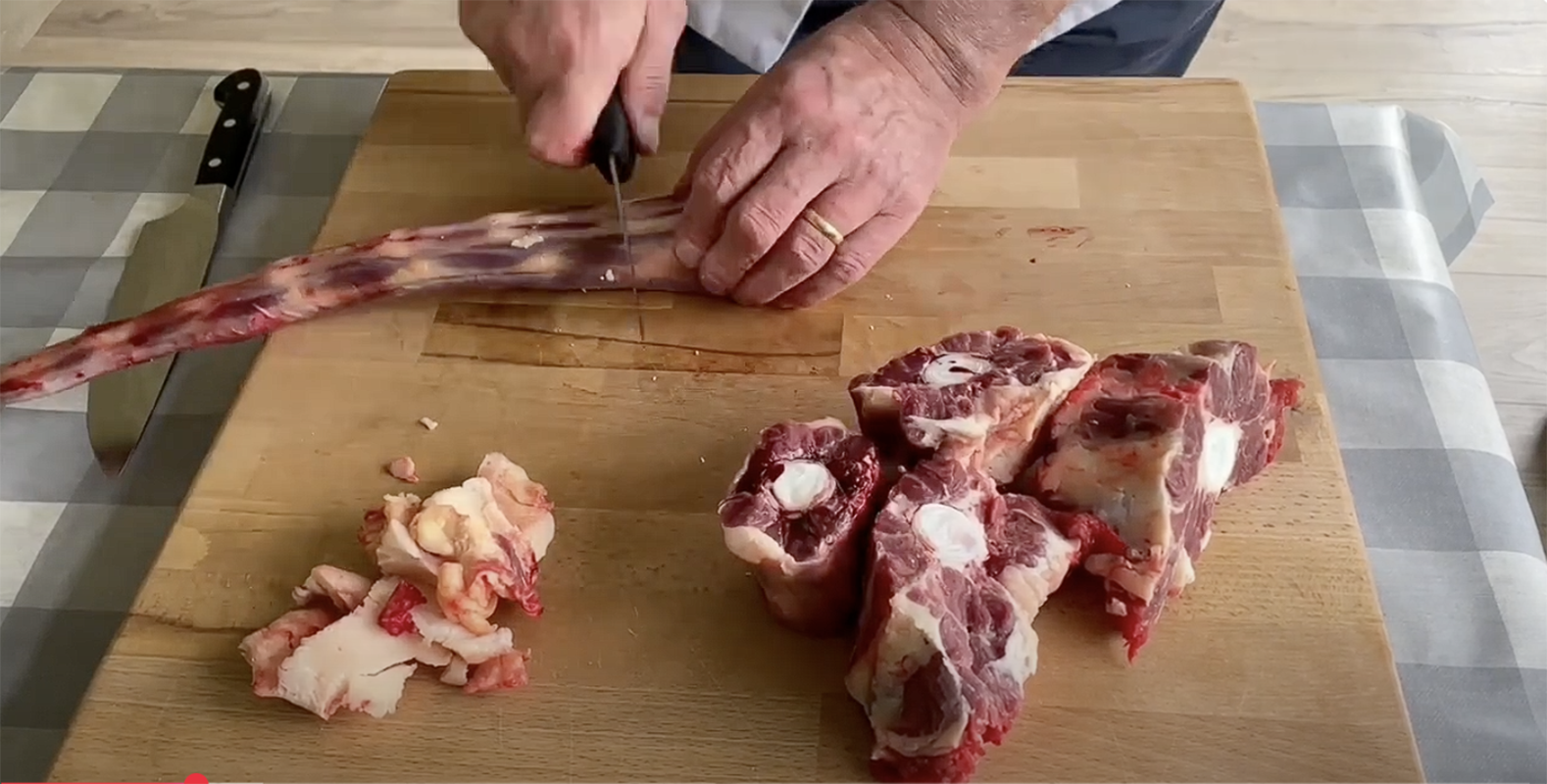
You might remark that the butcher doesn’t use vinyl gloves while handling meat for sale. That is because, as mentioned previously, any germs already on the meat will all be killed off by cooking. It is difficult to handle meat properly wearing vinyl gloves. And your butcher washes his hands maybe 50 – 60 times a day so his hands are probably cleaner than yours.
Cooking is fun, but hygiene is important.
Leave a Reply